Stock Futures Slip as Iran Talks and Inflation Unsettle Markets
Wall Street futures pulled back Monday as investors weighed US-Iran nuclear negotiations and fresh inflation concerns.

If you checked your portfolio Monday morning and felt a little queasy, you're not alone. Futures tied to the S&P 500, Nasdaq, and Dow Jones all pointed lower before the opening bell, signaling that traders were in a cautious mood heading into the trading week.
Two big storylines were grabbing attention at once. First, ongoing diplomatic talks between the United States and Iran kept geopolitical risk front and center. Any movement in those negotiations can ripple through oil prices almost instantly, and oil price swings have a funny way of reminding investors just how fragile market sentiment can be.
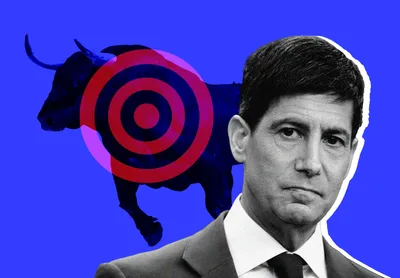
Read more Why Fed Rate Hikes Under Kevin Warsh May Not Kill This Bull Market →
At the same time, inflation stayed on everyone's radar. After months of the Federal Reserve wrestling with when — and how aggressively — to cut interest rates, any fresh data or signals suggesting prices are still sticky can spook bond and equity markets alike. When borrowing costs feel uncertain, growth stocks in particular tend to take a hit, which helps explain the Nasdaq's vulnerability in this kind of environment.
For everyday investors, mornings like this are a good reminder that the market rarely moves on just one thing. Geopolitics, monetary policy, and earnings expectations all compete for Wall Street's attention simultaneously. The key is not to mistake short-term futures weakness for a longer-term trend — pre-market moves don't always predict where stocks actually close.
Continue reading at Yahoo Finance.