Why Fed Rate Hikes Under Kevin Warsh May Not Kill This Bull Market
History suggests rate-hike cycles don't automatically derail bull markets. Here's what Trump's likely Fed pick Kevin Warsh could mean for stocks.
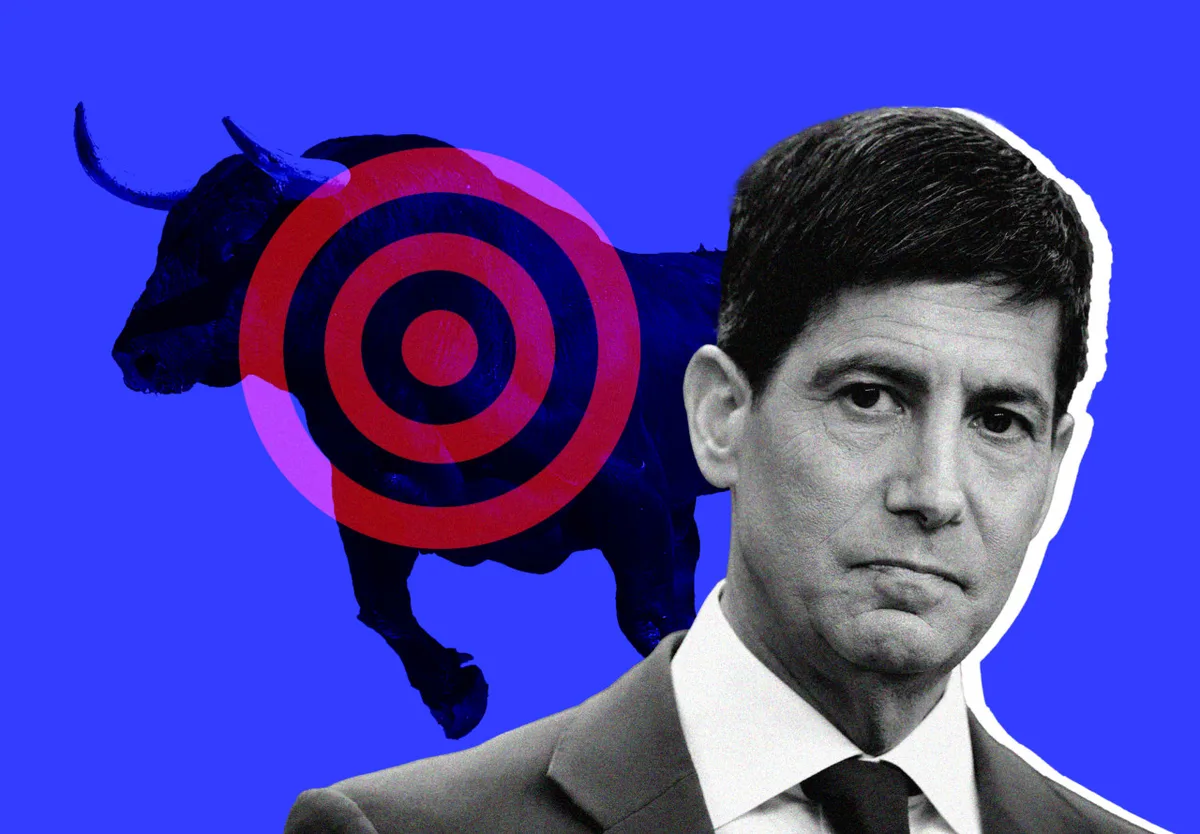
If you've been sweating the idea of Kevin Warsh taking the helm at the Federal Reserve and immediately cranking up interest rates, you can probably take a breath. History has a reassuring message for stock investors: rate hikes alone rarely end bull markets, and this one may be no different.
Warsh, who is reportedly in Donald Trump's circle of consideration for Fed chair, isn't exactly known as a monetary dove. The concern among some investors is that a Warsh-led Fed could lean hawkish — meaning it might raise interest rates in an effort to keep inflation in check or reassert policy credibility. But here's the thing: the *threat* of rate hikes can often do more psychological damage to markets than the actual hikes themselves.
Read more Ethereum Sandwich Bot Loses $7.5M in Its Own-Style Attack →
Look back at past rate-hike cycles and you'll find a pretty consistent pattern — stocks frequently kept climbing even as the Fed was tightening policy. That's because rate hikes, when they happen in a growing economy, often signal that things are going pretty well. Companies are still earning, consumers are still spending, and investors are still willing to pay up for equities. It's only when hikes go too far, too fast — or when they expose cracks in the financial system — that markets tend to buckle.
The strategic play Warsh might run is using the *specter* of rate hikes as a disciplining tool without necessarily following through aggressively. If markets believe he's serious about fighting inflation, he may not need to hike as much as feared. And if he does hike in a measured way inside a resilient economy, stocks could actually grind higher through the cycle, just as they have before.
So before you panic-sell your portfolio over Fed chair speculation, zoom out. A change at the top of the Fed is worth watching closely, but it's far from a guaranteed market killer. Continue reading at MarketWatch.com