Sandisk and Kioxia to Invest $31B in Japan Memory Chip Plants
The two flash memory giants plan a massive $31B expansion in Japan, equal to roughly 60% of their combined 25-year spending there.
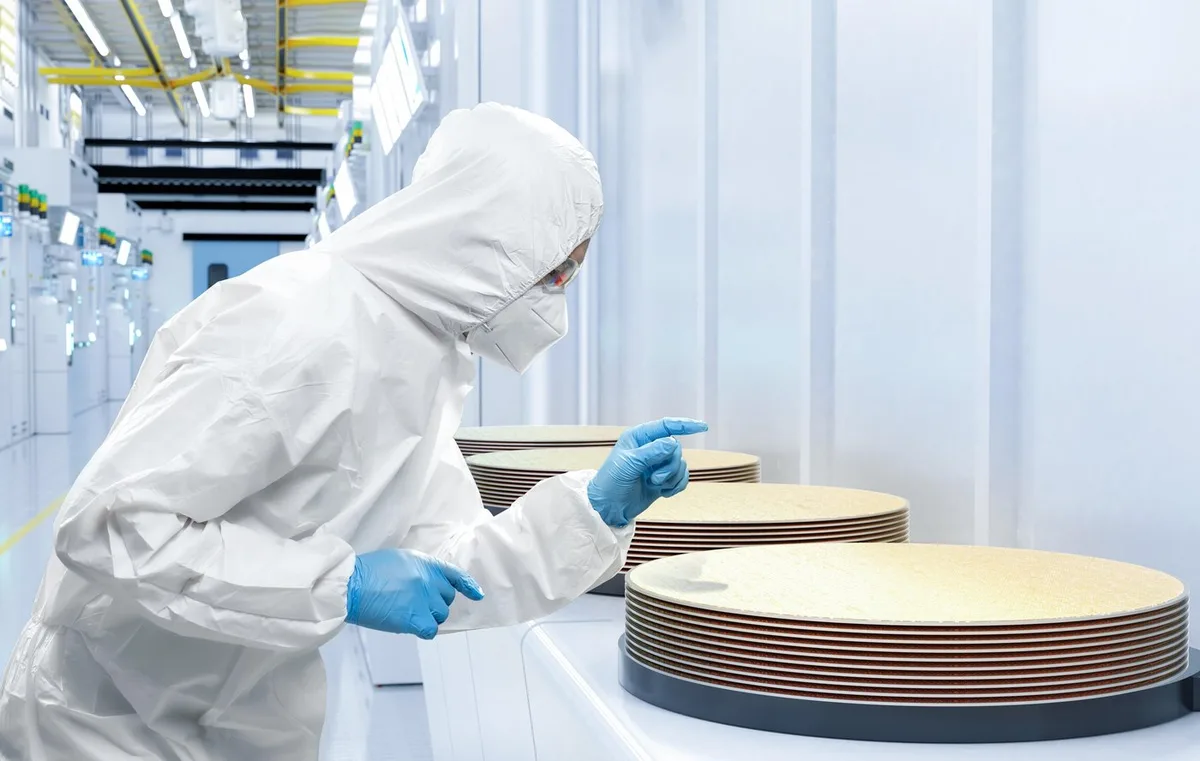
If you've ever wondered where the flash memory inside your phone or laptop comes from, there's a good chance it traces back to factories in Japan — and those factories are about to get a whole lot bigger. Sandisk and Kioxia, two of the biggest names in NAND flash memory, are planning to pour more than $31 billion into Japanese manufacturing plants, a jaw-dropping commitment that signals just how seriously both companies are betting on domestic chip production.
To put that number in perspective, $31 billion represents roughly 60% of everything the two companies have collectively spent building out their Japanese operations over the past 25 years. That's not a small rounding error — that's essentially compressing two and a half decades of capital investment into what appears to be a much shorter runway. It tells you that the demand outlook for memory chips, driven by AI servers, smartphones, and data centers, is pushing these companies to scale fast.
Read more How Tim Cook Turned Supply-Chain Skills Into Apple's Superpower →
For Kioxia, this kind of investment makes particular sense. The Japanese chipmaker has been working to solidify its position in the global NAND market, where competition from South Korean giants like Samsung and SK Hynix is relentless. Sandisk, which has a long-standing manufacturing partnership with Kioxia, is doubling down on that relationship rather than going it alone — a sign that joint fab investments still make financial sense even at this scale.
From a personal finance angle, moves like this matter to everyday investors who hold semiconductor ETFs or tech-heavy index funds. A surge in memory chip supply capacity can eventually compress prices, which is great for gadget buyers but can squeeze profit margins for chipmakers — something worth watching if you own shares in this sector. It's also a reminder that geopolitical pressure to diversify chip manufacturing away from Taiwan is reshaping where billions of dollars flow.
Continue reading at Yahoo Finance