How Tim Cook Turned Supply-Chain Skills Into Apple's Superpower
Dismissed early on as 'not a product guy,' Cook re-engineered Apple's operations and took the company to historic heights.
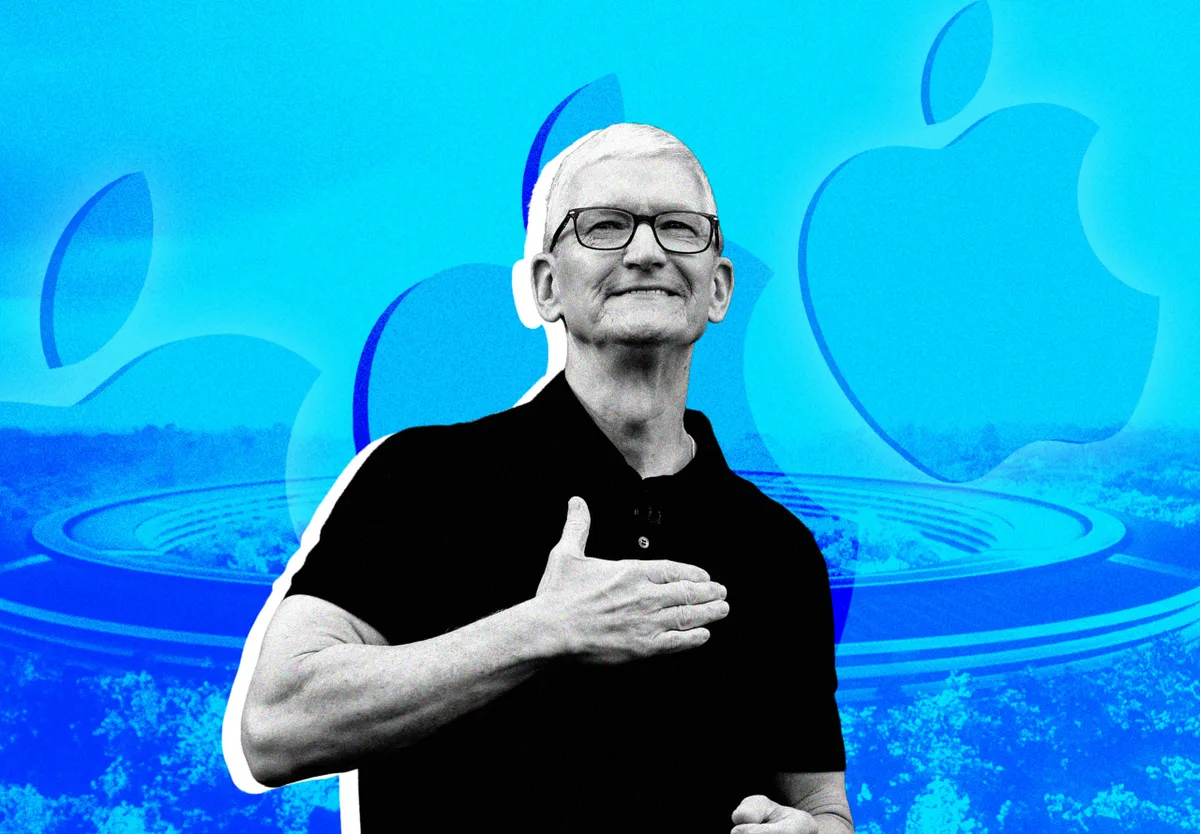
When Tim Cook was tapped to lead Apple after Steve Jobs, plenty of skeptics shrugged. The knock on him was blunt: he wasn't a product guy. He didn't dream up gadgets in the shower or obsess over fonts the way Jobs famously did. What Cook *was*, though, was a logistics and operations wizard — and it turns out that skill set was exactly what Apple needed to become the most valuable company on the planet.
Rather than trying to out-Jobs Jobs, Cook played to his strengths. He re-engineered Apple from the inside out, tightening its supply chain into something almost frighteningly efficient. That behind-the-scenes mastery meant Apple could launch products at massive scale, keep margins healthy, and weather global disruptions better than most of its rivals. It's the kind of unglamorous work that rarely makes headlines, but it quietly prints money.
Read more Sandisk and Kioxia to Invest $31B in Japan Memory Chip Plants →
The irony is rich: the guy who supposedly "didn't get" products presided over the launch of the Apple Watch, AirPods, and the services empire that now generates billions in recurring revenue. Cook didn't just maintain what Jobs built — he expanded Apple's footprint into entirely new categories and revenue streams that the company had never touched before.
For everyday investors and Apple fans alike, Cook's tenure is a masterclass in a simple idea — leadership style doesn't have to match your predecessor's to be effective. Sometimes the person who optimizes the engine matters just as much as the person who designed the car. As Cook steps back from the CEO role, his legacy is less about any single product and more about the machine he built to deliver all of them.
Continue reading at MarketWatch.com