How a New Fed Chair Could Leave Your Portfolio Exposed
If Kevin Warsh becomes Fed Chair and scraps the old playbook, certain stocks could face serious turbulence. Here's what that means for you.
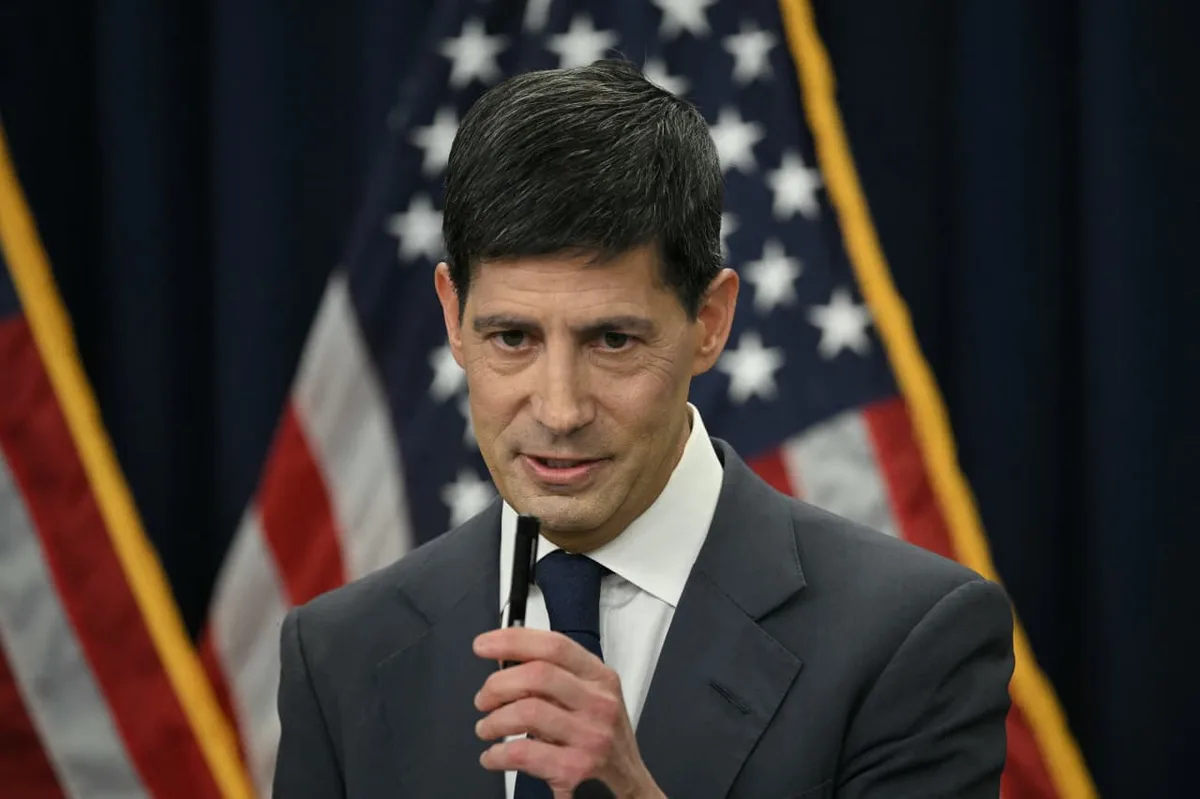
If you've been sleeping soundly at night because the Federal Reserve has your back, it might be time to set a new alarm. The prospect of Kevin Warsh taking over as Fed Chair is rattling some corners of Wall Street, and for good reason — he's signaling a pretty dramatic departure from the way the central bank has operated in recent memory.
For years, investors have grown comfortable with what's sometimes called the "Fed put" — the informal expectation that the central bank will step in with rate cuts or other support whenever markets get ugly enough. That implicit safety net has quietly propped up valuations across a wide swath of stocks, particularly in rate-sensitive sectors. Warsh, by contrast, appears ready to yank that net away and let markets do their thing.
Read more Malta Drafts DeFi Rules That Would Bring DAOs Under Oversight →
So which stocks are most at risk? Think about any company whose sky-high valuation depends heavily on the assumption that cheap money is always just around the corner. When the Fed stops playing backstop, the math on those pricey growth stocks gets a lot harder to justify. Sectors that gorged on low rates — certain tech names, speculative plays, heavily leveraged companies — could find themselves flying without a co-pilot.
This doesn't mean you need to panic-sell everything in your brokerage account before breakfast. But it does mean that the old "buy the dip because the Fed will save us" mentality may be a riskier strategy going forward. Diversification, quality earnings, and solid balance sheets start looking a lot more attractive when the central bank decides to stop being everyone's financial security blanket.
The bottom line: markets have been operating with guardrails for so long that many investors have forgotten what the road looks like without them. A Warsh-led Fed could be a sharp reminder. Continue reading at MarketWatch.com