Micron and Memory Stocks Look Cheap Despite Record Gains
Memory chipmakers are posting their best returns ever on AI demand, yet valuations still look surprisingly affordable.
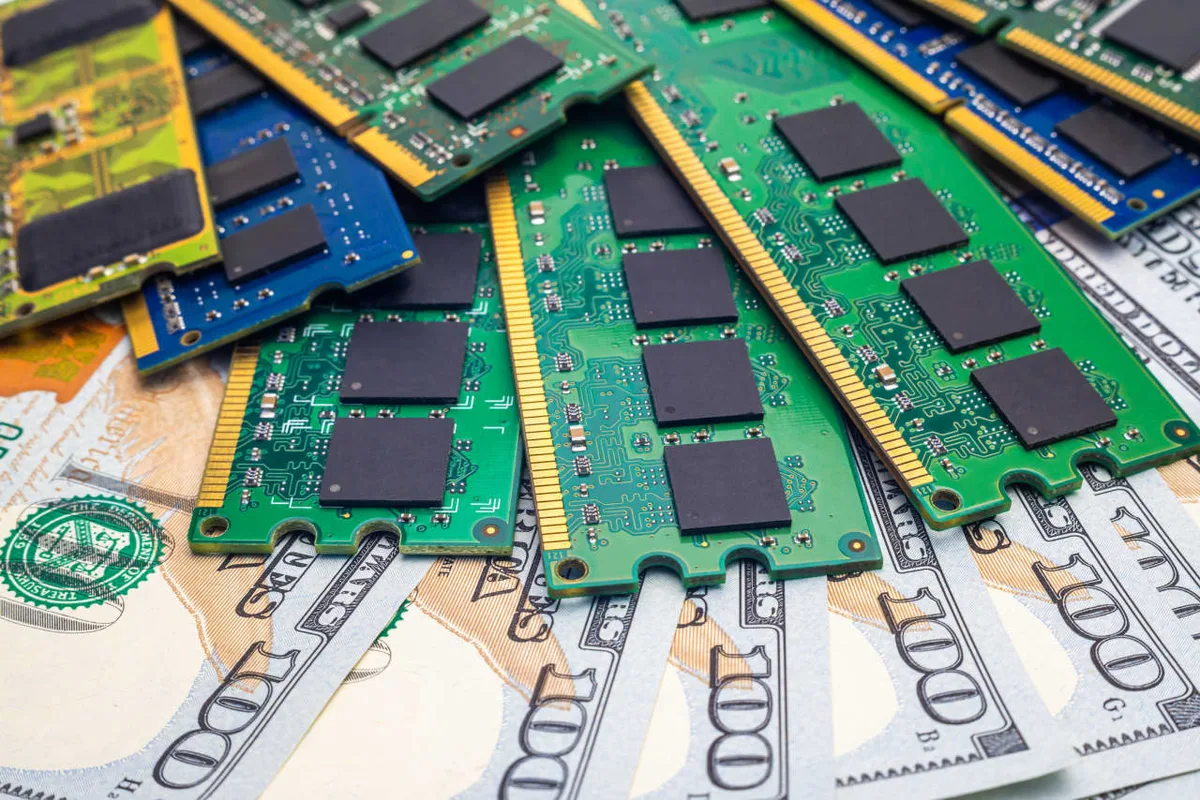
If you've been watching the AI boom from the sidelines, here's something that might make you do a double-take: some of the biggest financial winners of this whole artificial intelligence wave are also trading at valuations that look, well, surprisingly cheap. Memory stocks — think Micron and its peers — are having their best year ever, and analysts are scratching their heads over why the market still isn't fully pricing that in.
The apparent disconnect comes down to how Wall Street tends to view memory chip companies. These businesses have historically been treated as deeply cyclical — meaning their earnings swing wildly from boom to bust depending on supply and demand conditions. So even when profits are soaring, investors tend to apply a skeptical discount, essentially betting that the good times won't last. It's a bit like getting a raise at work but refusing to update your budget because you're convinced layoffs are coming.
Read more Malta Drafts DeFi Rules That Would Bring DAOs Under Oversight →
What's different this time, according to the bull case, is that AI infrastructure is creating a more sustained and structural demand for memory — not just a temporary inventory restocking cycle. Data centers running large language models require enormous amounts of high-bandwidth memory, and that appetite isn't expected to cool off the way traditional PC or smartphone demand cycles do. That thesis, if correct, would mean the old cyclical playbook may no longer apply.
Still, the market hasn't fully bought the story yet. Investors appear to be applying the same old valuation framework to what could be a fundamentally changed business environment. For retail investors, that gap between perception and potential reality is exactly the kind of setup that tends to generate outsized returns — or painful lessons, depending on how it plays out. As always, understanding *why* something looks cheap matters just as much as noticing that it does.
Continue reading at MarketWatch.com