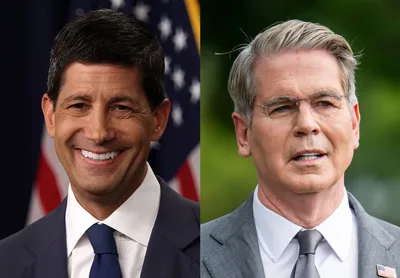
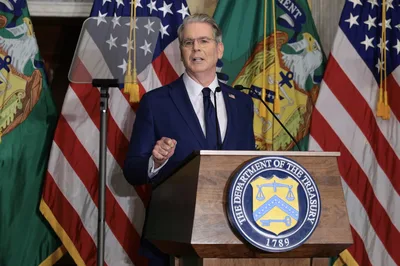
Fed Taps Former Walmart CEO for Real-Time Economic Data Push
The Federal Reserve is recruiting retail expertise to get faster reads on spending, inflation, and growth through a new task force.
The Federal Reserve — already known for poring over mountains of economic data — is trying something new: bringing in a former Walmart CEO to help build a system that tracks spending, inflation, and economic growth in something close to real time. That's a big deal, because right now the Fed often relies on data that lags weeks or even months behind what's actually happening in the economy.
Walmart isn't just a big-box store — it's basically a window into how everyday Americans are spending their money. With millions of transactions happening daily, the retail giant sits on a goldmine of consumer behavior data. The idea is that someone who knows how to read those signals at scale could help the Fed stop flying so blind when it makes interest rate decisions.
Read more How Bessent's Treasury Move Is Clipping the Fed's Wings →
The Fed named the former Walmart executive to a task force specifically focused on developing what economists call "contemporaneous" data — fancy speak for information that reflects what's happening right now, not three months ago. When you're trying to decide whether to raise or cut interest rates, fresher numbers can mean the difference between a soft landing and overcooking the economy.
This move signals a broader shift in how central banks are thinking about data collection. Traditional government reports like the monthly jobs numbers or the Consumer Price Index are valuable, but they're backward-looking by nature. Real-time private-sector data — from retailers, payment processors, and app platforms — could give policymakers a much sharper, faster picture of economic conditions as they unfold.
Whether this experiment actually changes how the Fed operates remains to be seen, but pairing one of the world's most data-driven retailers with the nation's most powerful economic institution is a genuinely interesting bet. Continue reading at MarketWatch.com