You Helped Build AI — So Why Aren't You Getting Paid?
Big Tech is cashing in on AI trained by your data, and critics say everyday users deserve a cut of those massive profits.
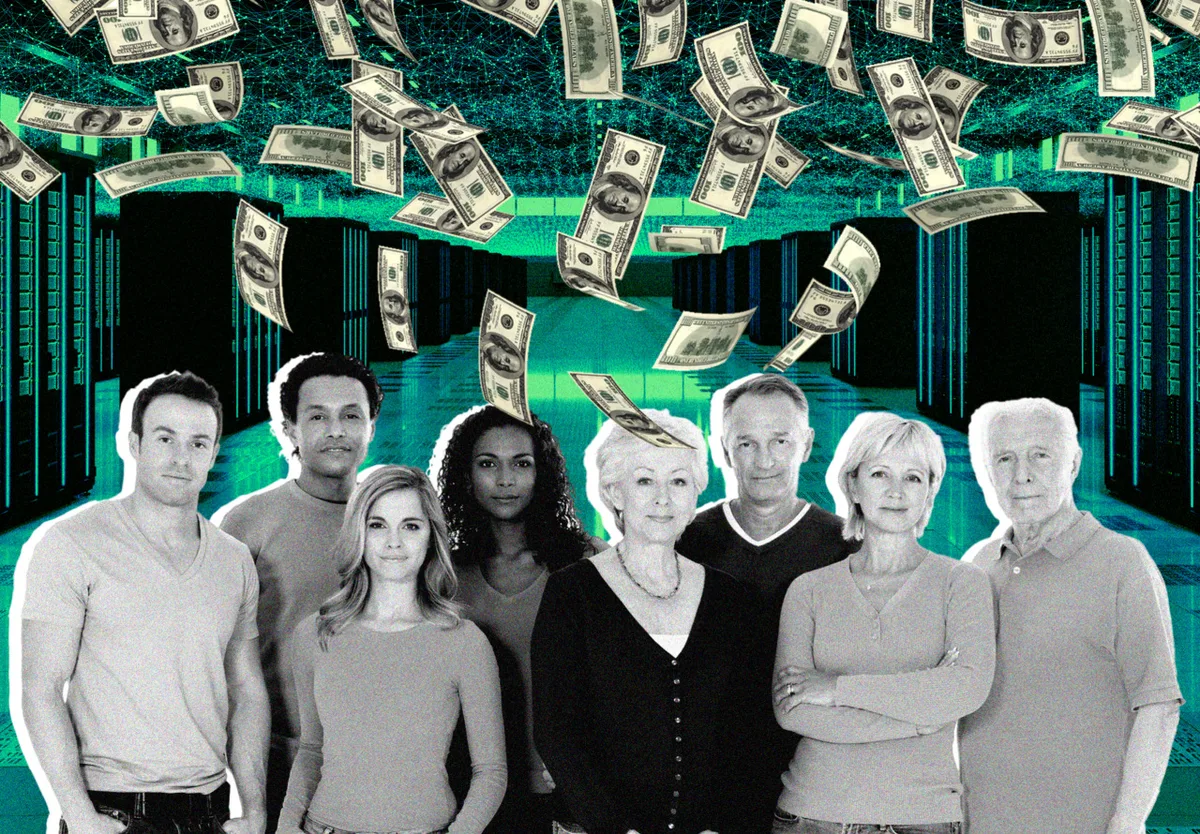
Here's a thought that might ruin your morning coffee: every photo you've posted, every review you've written, and every search query you've typed helped train the AI systems now minting billions for Big Tech companies. You did the work — unpaid — and the equity went entirely to Silicon Valley. That's the argument gaining serious traction among economists, technologists, and policy advocates who say the current setup is fundamentally lopsided.
The core idea is pretty straightforward. Large language models and other AI tools don't emerge from thin air. They're built on oceans of human-generated content: your social posts, your product reviews, your uploaded photos, your forum rants at 2 a.m. Without that raw material, the AI boom simply doesn't happen. Yet when these tools generate enormous corporate value, the people who supplied the foundational ingredient see exactly zero of the upside. Critics are framing this not as a nice-to-have benefit, but as an economic right.
Read more How Bessent's Treasury Move Is Clipping the Fed's Wings →
So what does "clawing it back" actually look like in practice? Proposals range from data-dividend programs — where platforms pay users directly for the data they generate — to broader policy frameworks that would treat personal data more like a labor contribution than a freely given gift. Some advocates draw a direct line between data rights and labor rights, arguing that if your work product enriches a company, you're entitled to compensation, full stop. It's a provocative reframe that shifts the conversation from privacy (can they use it?) to equity (should they profit from it alone?).
The political and corporate headwinds are real, of course. Tech giants have little financial incentive to voluntarily restructure a model that's working spectacularly well for their shareholders. But as AI-generated revenues climb into the hundreds of billions, the "you should be grateful for free search" argument is wearing increasingly thin with regulators, lawmakers, and regular users who are starting to do the math themselves.
Whether this becomes a genuine wealth-redistribution movement or stays a compelling dinner-party argument depends largely on whether momentum builds in legislatures and courtrooms. Either way, the idea that your data has monetary value — and that you're currently giving it away — is one that's very hard to unsee once you've seen it. Continue reading at MarketWatch.com