Digital Euro Clears Key Hurdle With European Parliament Vote
The digital euro project scored a major win in the European Parliament, pushing the EU's central bank digital currency closer to reality.
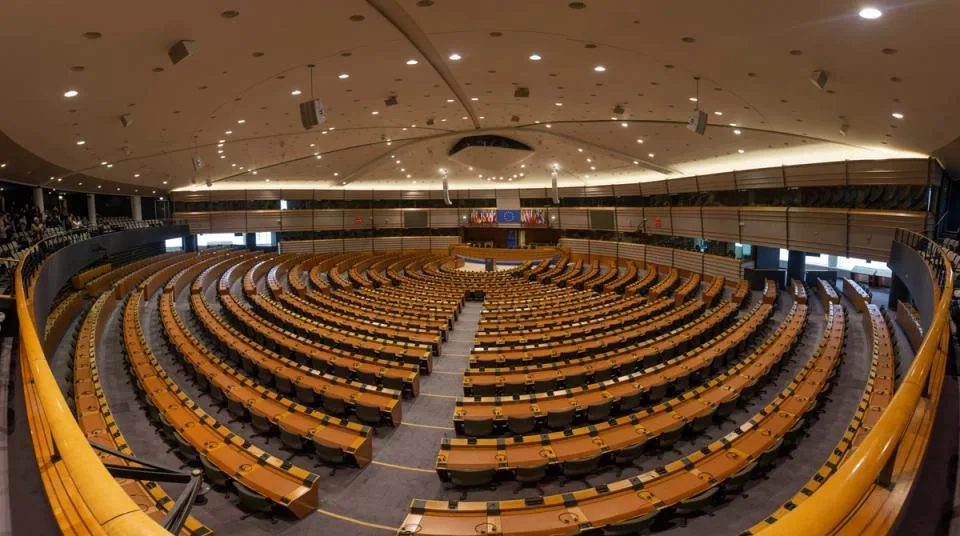
The digital euro just cleared one of its biggest hurdles yet — a crucial vote in the European Parliament that moves the EU's long-debated central bank digital currency (CBDC) meaningfully closer to becoming an actual thing people might use someday. Think of it as the digital version of the euro you already know, but issued directly by the European Central Bank rather than sitting in a commercial bank account.
For years, the digital euro has lived mostly in the realm of policy papers and pilot programs, but a favorable parliamentary vote signals that European lawmakers are genuinely warming up to the idea. CBDCs are essentially government-backed digital cash — not a cryptocurrency in the Bitcoin sense, but a state-guaranteed digital form of existing money. The distinction matters, especially for everyday users who want the stability of government backing without the wild price swings of crypto.
Read more Byron Donalds Says Fiscal Study Should Precede Homestead Vote →
The vote is a significant procedural win, but it doesn't mean you'll be paying for your croissant in digital euros tomorrow. Legislative processes in the EU involve multiple institutions, and the European Central Bank itself still has technical and regulatory groundwork to lay before any rollout. Supporters argue the digital euro could modernize payments across the bloc and reduce dependence on foreign payment networks like Visa and Mastercard.
Critics, meanwhile, have raised privacy concerns — nobody loves the idea of a government ledger potentially tracking every latte purchase. How those privacy questions get resolved will likely shape public acceptance as much as any parliament vote. The balance between financial oversight and personal privacy is shaping up to be the central fight in the next phase of this debate.
Either way, this parliamentary milestone keeps the digital euro on track and on the radar of anyone watching how governments worldwide are approaching the digitization of money. Continue reading at CoinDesk.