U.S. Senate Passes Housing Bill With Four-Year Fed CBDC Ban
The Senate approved a housing bill that includes a four-year prohibition on a Federal Reserve central bank digital currency.
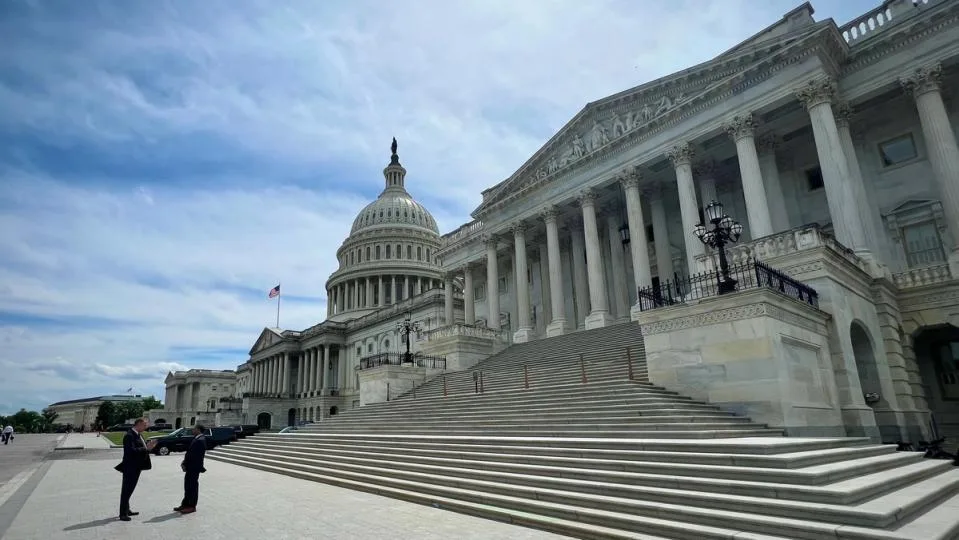
The U.S. Senate has passed a housing bill that quietly tucks in a significant provision for the crypto world: a four-year ban on the Federal Reserve developing or issuing a central bank digital currency, commonly known as a CBDC. It's the kind of policy rider that doesn't make the front page of most newspapers but could shape the future of American money in a big way.
A CBDC is essentially a digital version of the dollar issued directly by the central bank — think of it like Venmo, but the government runs it and there's no middleman bank involved. Supporters say it could modernize payments and boost financial inclusion. Critics, including many in Congress, worry it gives the federal government too much visibility into your spending habits and too much control over the money supply.
Read more Trump's Wall Street Home-Buying Ban: What the Bill Actually Does →
By attaching this ban to a housing bill, lawmakers found a legislative vehicle that had broad enough support to move forward. The four-year window essentially pumps the brakes on any Fed ambitions to roll out a digital dollar in the near term, buying time for further debate on whether the U.S. even wants to go down that road.
The move reflects growing skepticism on Capitol Hill about CBDCs, a sentiment that has been building across both parties, though for very different reasons. Some see it as a privacy issue, others as a threat to the existing banking system, and still others view it as government overreach into financial freedom. Whatever the motivation, the Senate's action signals that a U.S. digital dollar is not coming anytime soon.
Continue reading at CoinDesk.