Crude Oil Prices Drop After Strait of Hormuz Reopens
Oil prices fell sharply as the Strait of Hormuz reopened, easing supply fears that had been rattling energy markets.
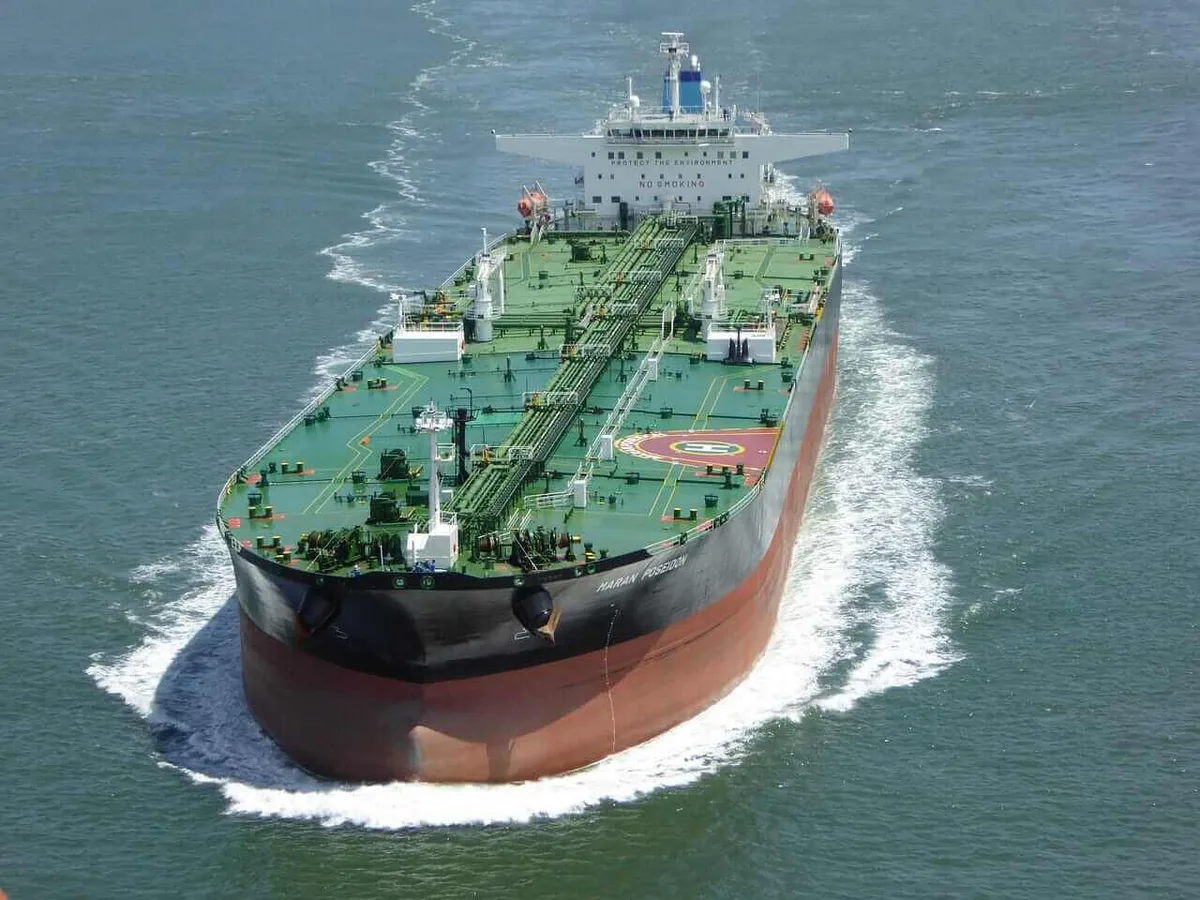
If you've been watching gas prices lately, here's a development that could work in your favor. Crude oil prices took a notable tumble after the Strait of Hormuz — one of the world's most critical shipping chokepoints — reopened, according to a report from Barchart's Rich Asplund. When that narrow waterway is open and flowing freely, traders breathe a collective sigh of relief, and prices tend to reflect that calm.
The Strait of Hormuz sits between Iran and Oman, and roughly 20% of the world's oil supply passes through it. Any disruption there — whether from geopolitical tension, military posturing, or outright blockades — can send crude prices spiking almost instantly. So when it reopens or stabilizes, the reverse happens: the risk premium baked into oil prices starts to melt away, and you see the kind of drop that was reported here.
Read more Malta Drafts DeFi Rules That Would Bring DAOs Under Oversight →
For everyday consumers, falling crude prices are generally good news because they tend to flow downstream into lower gasoline and diesel costs, though that transmission isn't always immediate or perfectly proportional. For investors holding energy stocks or oil futures, however, a price drop can sting — at least in the short term. It's a reminder that geopolitics and commodity markets are basically inseparable dance partners.
From a broader economic perspective, easing oil prices can also act like a quiet tax cut for businesses and households that depend heavily on fuel. It reduces input costs across transportation, manufacturing, and agriculture — sectors that underpin a huge slice of the US economy. Whether this dip holds depends largely on whether the strait remains stable and how OPEC-plus members respond to shifting price levels.
Continue reading at barchart (rich asplund).