AI Trade Cools Off as Infrastructure Hype Meets Hard Reality
The AI investment boom is running into real-world limits, and traders are starting to pump the brakes on infrastructure bets.
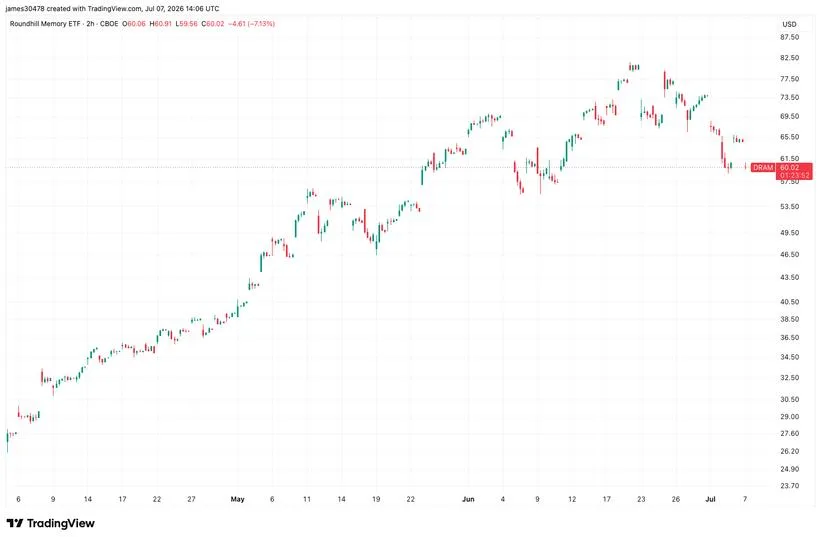
If you've been riding the AI trade like it's an endless escalator, you might want to check which floor you're on. The momentum that sent AI-related stocks and assets surging — fueled by visions of limitless data centers, power grids, and chip demand — is showing signs of fatigue as investors start asking harder questions about when, exactly, all that spending pays off.
The core tension here is pretty simple: companies have been pouring billions into AI infrastructure, from server farms to custom silicon, but the revenue and productivity gains that were supposed to justify those costs haven't fully materialized yet. That gap between capital expenditure and actual returns is making some traders nervous, and when traders get nervous, momentum trades tend to unwind fast.
Read more Schouw & Co. Expands 2026 Share Buyback to DKK 410 Million →
This reality check doesn't necessarily mean AI is a bust — far from it. But it does suggest the market may have been pricing in a future that arrives a little later than the hype implied. Investors are learning the difference between a transformative technology and a transformative *investment timeline*, and those two things don't always line up neatly on a quarterly earnings calendar.
For everyday investors, the lesson is worth absorbing: even genuinely world-changing trends go through digestion periods where prices cool and the narrative gets stress-tested. That's not a sign to panic — it's a sign the market is doing its job, recalibrating expectations against real data rather than pure enthusiasm. Staying diversified and avoiding the urge to chase peaks is, as always, the boring-but-correct advice.
Continue reading at CoinDesk