AI Pioneer Who Built a Hedge Fund in 1994 Warns Against Trusting ChatGPT With Your Money
Vasant Dhar helped bring AI to Wall Street three decades ago. Now he's urging everyday investors to pump the brakes on ChatGPT for financial decisions.
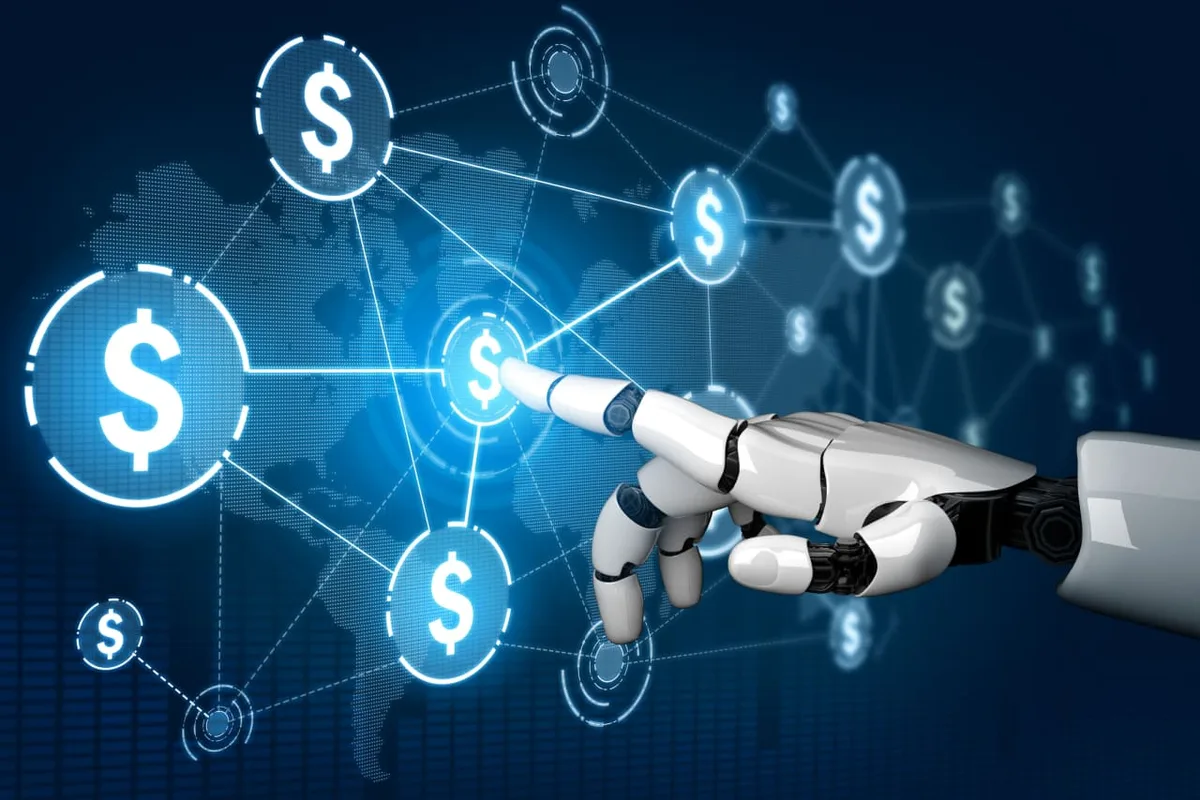
If anyone has earned the right to have opinions about AI and investing, it's Vasant Dhar. Back in 1994 — when most people hadn't even heard the term "machine learning" — Dhar was already building one of Wall Street's first AI-driven hedge funds. That's not a résumé you ignore when he starts waving a caution flag.
So what's his concern? Despite spending decades on the cutting edge of algorithmic finance, Dhar isn't ready to hand over his portfolio to ChatGPT or any other large language model. The distinction he draws is important: the kind of AI that powers modern chatbots is fundamentally different from the predictive, data-driven systems that hedge funds have quietly relied on for years. One is built to sound smart and fluent; the other is engineered to find signal in noisy financial data and actually be right.
Read more SCHH vs RWR: Picking the Right REIT ETF for Your Goals →
For everyday investors scrolling through AI-generated stock tips or asking a chatbot whether to buy or sell, that difference matters enormously. Generative AI tools are trained to produce plausible-sounding responses — not necessarily accurate or profitable ones. In a domain where being confidently wrong can cost you real money, that's a meaningful gap. Dhar's core message is essentially: don't confuse eloquence with expertise.
What Dhar's career illustrates is that effective financial AI requires rigorous backtesting, clean data, and a healthy skepticism about its own outputs — guardrails that consumer chatbots simply weren't designed around. Three decades of experience building these systems apparently taught him that markets are brutally unforgiving of overconfidence, artificial or otherwise. That's a lesson worth keeping in mind the next time an AI tool offers you a hot stock pick with suspiciously perfect confidence.
Continue reading at MarketWatch.com