Why the SEC Pumping the Brakes on Stock Tokenization Is Good News
The SEC hit pause on tokenized stocks, and some market watchers say that delay might actually protect everyday investors.
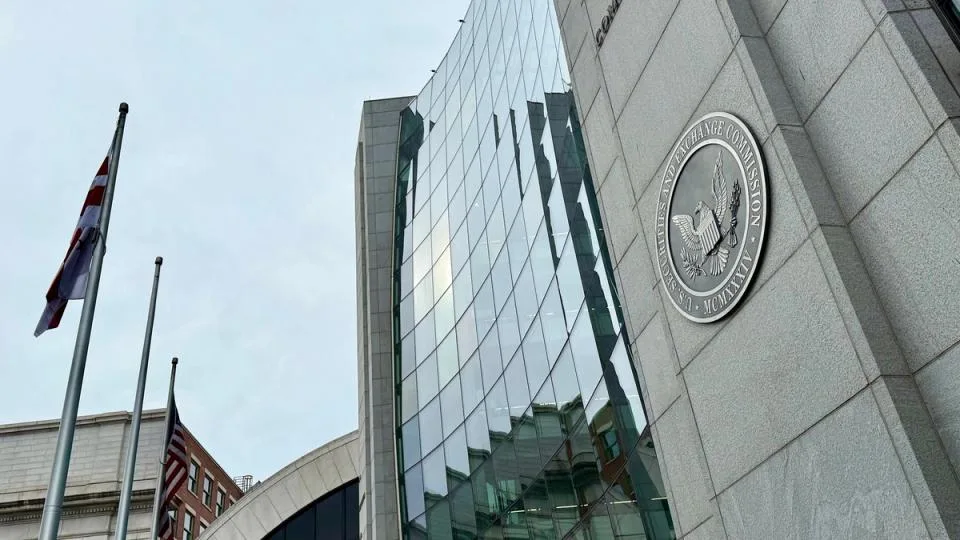
If you've been following the buzz around tokenized stocks — basically, blockchain-based versions of traditional equities — you might have expected regulators to wave them through in a wave of crypto enthusiasm. Instead, the Securities and Exchange Commission has opted to slow things down, and according to CoinDesk's analysis, that measured approach could be doing retail investors a genuine favor.
Tokenized stocks sound exciting on paper: trade Apple or Tesla shares around the clock, on a blockchain, without the usual market-hours restrictions. But the infrastructure supporting these products is still far from mature, and the legal frameworks that would protect you if something goes wrong are murkier than a bowl of alphabet soup. A rushed rollout could expose everyday investors to custody risks, liquidity traps, and regulatory gray zones that even seasoned traders would find hard to navigate.
Read more Why Tokenized SpaceX Shares Flopped Before Retail Could Buy →
The SEC's hesitation signals that the agency wants to understand exactly how these instruments fit within existing securities law before giving the green light. That's not obstruction — that's the regulator doing its actual job. When genuinely novel financial products land in the market before the rulebook catches up, it's usually smaller investors who get burned first and hardest.
There's also a competitive dimension worth noting. Global exchanges and crypto platforms are racing to offer tokenized equities, so U.S. regulators face real pressure not to fall behind. But speed without safeguards is how you get another cautionary tale. The delay buys time to draft rules that could make tokenized stocks a genuinely useful tool rather than a speculative minefield.
Bottom line: a little regulatory patience now could mean a far safer, more legitimate product later — one that actually earns a place in your portfolio. Continue reading at CoinDesk.