Why 'Buy the Dip' May Be Wall Street's Riskiest Consensus
When everyone agrees on a strategy, that's your cue to get nervous. Here's why buying the dip isn't the sure thing it feels like.
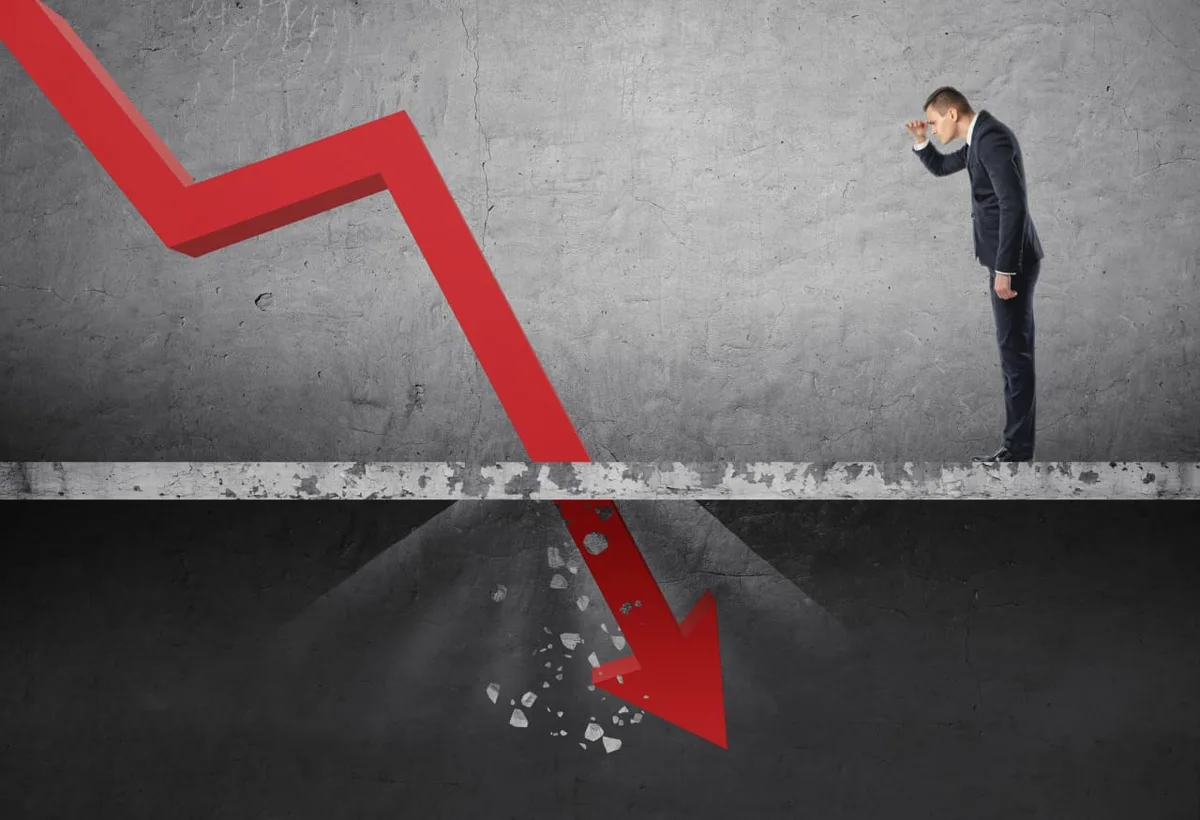
There's a certain comfort in doing what everyone else is doing, especially when it comes to investing. Right now, 'buy the dip' has become the closest thing Wall Street has to a universal religion — and that near-unanimous belief is precisely what should make you pause before treating it like a guaranteed ATM.
The strategy sounds almost too logical: stocks fall, you scoop them up at a discount, prices recover, you profit. Rinse and repeat. It feels like free money, and for stretches of the recent bull market, it basically was. But here's the part that gets glossed over at dinner parties — buying the dip actually lags the broader stock market over the long run, according to analysis flagged by MarketWatch.
Read more Best Time to Buy High-Beta Stocks May Be Mid-October →
When a tactic becomes consensus, its edge tends to evaporate. Markets are brutally efficient at pricing away easy profits the moment too many players pile into the same trade. If every fund manager, retail investor, and finance-bro influencer is waiting with cash ready to deploy on every pullback, those dips get bought up faster, prices recover less dramatically, and the juicy returns that made the strategy famous shrink considerably.
There's also a behavioral trap buried in the popularity of this approach. Confidence in a strategy can quietly morph into complacency — investors may underestimate how deep or prolonged a real downturn could be. A 'dip' that turns into a 20% correction, or worse, a multi-year bear market, punishes dip-buyers who ran out of dry powder or nerve far more than a simple index strategy would.
The broader lesson here isn't that you should *never* buy on weakness — it's that any strategy loses its power once it stops being a contrarian bet and becomes the default playbook. Skepticism, as always, is an underrated portfolio tool. Continue reading at MarketWatch.com