Value Stocks Are Crushing Growth Stocks at a Rare Pace in 2025
Value stocks are outpacing growth at a rate not seen since 2022's bear market — but this time, the bull market is still intact.
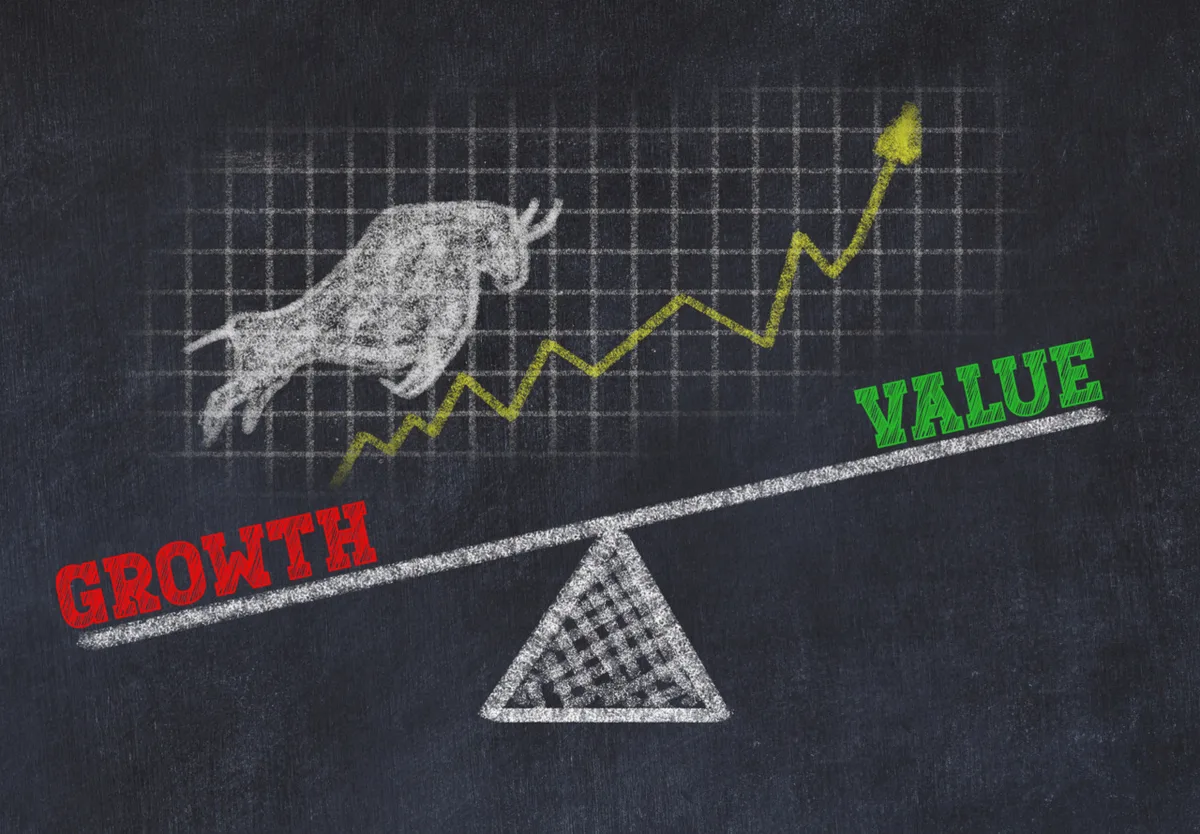
Something unusual is happening in the stock market right now: value stocks are beating growth stocks by a margin you'd normally only see when things are going badly. Think 2022-level badly — as in, the last major bear market. Except here's the twist: we're technically still in a bull market. That contradiction is worth paying attention to.
For the uninitiated, "value stocks" are shares of companies trading at relatively cheap prices compared to their earnings or assets — think banks, energy firms, and industrial giants. "Growth stocks," on the other hand, are your high-flying tech names that investors pay a premium for because of their future earnings potential. Historically, growth stocks tend to dominate during bull runs, so when value starts winning by this much, the market is sending an unusual signal.
Read more Boeing Finishes 13-Satellite O3b mPOWER Build: What It Means →
The last time the gap between value and growth performance was this wide was 2022, when rising interest rates hammered expensive tech valuations and sent the broader market into a significant downturn. Investors rotated hard into cheaper, more defensive names. Today's spread is raising eyebrows because the underlying market conditions look different — at least on the surface. Bulls are still technically in charge, yet money is flowing toward the kinds of stocks that tend to attract cautious, defensive investors.
What does this mean for your portfolio? It could suggest that under the hood, investors are quietly hedging their bets — snapping up value names as a cushion even while the broader indexes hold up. Or it could simply mean that after years of growth-stock dominance, a long-overdue rotation is finally playing out. Either way, it's the kind of market divergence that's hard to ignore, and history says it's worth watching closely to see which story wins out.
Continue reading at MarketWatch.com