Uber, Tesla and Waymo Battle for Robotaxi Dominance
Uber is spending big to stay relevant in the robotaxi race while Waymo and Tesla grab headlines. Here's who holds the edge.
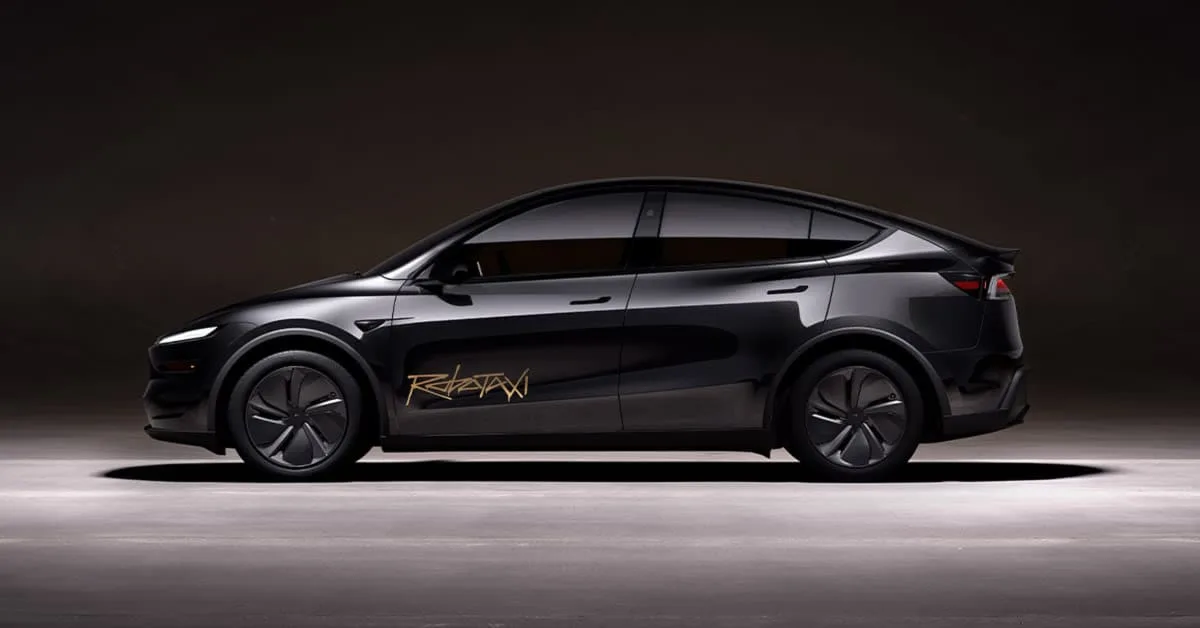
The robotaxi war has three very different fighters in the ring, and the one throwing the heaviest financial punches might surprise you. Uber — a company that doesn't manufacture a single vehicle — is reportedly committing around $500 million to secure robotaxi partnerships, quietly trying to make itself the go-to platform before fully autonomous ride-hailing goes mainstream.
Waymo, Google's self-driving spinoff, has been racking up real-world miles and expanding its paid service to more cities, making it the current leader in actually putting driverless cars on the street. Tesla, meanwhile, is betting on its massive existing fleet and in-house AI chips to leapfrog competitors — Elon Musk has long promised a robotaxi network built around vehicles owners already have in their driveways.
Read more West Michigan Data Center Lands Deal Worth Up to $1.2B →
What makes Uber's play fascinating is the strategy itself. Rather than burning billions on hardware, sensors, or proprietary software stacks, it's essentially trying to become the distribution layer — the app that aggregates whoever wins the autonomous vehicle race. Think of it less like a car company and more like a streaming platform that wants to carry every studio's content, regardless of who makes the best shows.
The risk for Uber is real, though. If Waymo or Tesla decides to go direct-to-consumer with their own ride-hailing apps — cutting out the middleman entirely — those $500 million bets could look pretty shaky. Waymo already operates its own standalone app in select markets, which signals it's not necessarily looking for a dance partner long-term.
The robotaxi space is still early enough that no outcome is guaranteed, and the winner may not even be clear for years. But the spending commitments being made right now suggest the major players believe the tipping point is closer than most consumers realize. Continue reading at MarketWatch.com