Trump's Foreign Real-Estate Licensing Income Nearly Doubled in 2024
New disclosures show Trump's overseas licensing revenue surged, with Qatar and Romania joining the list of countries paying into his brand.
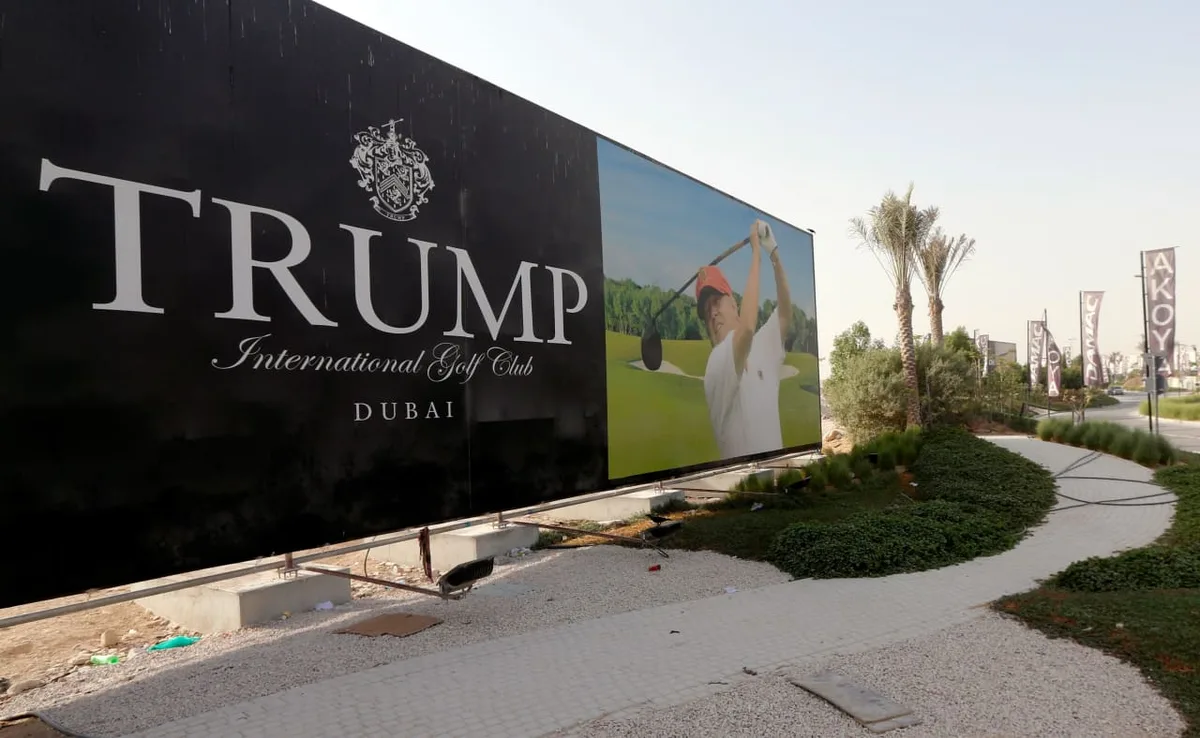
If you thought keeping tabs on a sitting president's business dealings was complicated before, buckle up. New financial disclosures reveal that Donald Trump's real-estate licensing income from foreign countries nearly doubled, and the roster of nations cutting checks to his brand now includes Qatar and Romania — two countries with significant geopolitical stakes in U.S. foreign policy decisions.
Licensing deals are essentially arrangements where a foreign developer pays to slap the Trump name on a property. It sounds simple enough, but the money flows directly benefit the president financially, which is exactly why ethics watchdogs are raising red flags. At least one prominent ethics organization has gone on record saying it has "grave concerns about the president doing business in foreign countries" — and it's not hard to see why the optics are thorny.
Read more U.S. Physical Therapy Acquires Majority Stake in PT Practice →
The addition of Qatar is particularly eyebrow-raising. The Gulf nation is a major U.S. military partner and a frequent player in high-stakes diplomatic negotiations. Romania, meanwhile, is a NATO ally navigating a delicate security environment near the Russian border. When the leader of the free world is collecting licensing fees from entities in those countries, critics argue it muddies the waters around whether foreign policy decisions could be influenced — even subconsciously — by financial relationships.
This kind of disclosure highlights a tension that has followed Trump since his first term: unlike most modern presidents, he never fully divested from his business empire, choosing instead to hand operational control to his sons. That arrangement did little to silence critics then, and these new numbers suggest the debate is heating up again. Whether Congress or regulators take any action remains an open question, but transparency advocates are clearly watching closely.
Continue reading at MarketWatch.com