Trump Calls Fed 'Hostile,' Eyes Warsh and Cook Board Moves
President Trump blasted the Federal Reserve as 'hostile' and signaled Kevin Warsh has free rein on rates while reiterating plans to remove governor Lisa Cook.
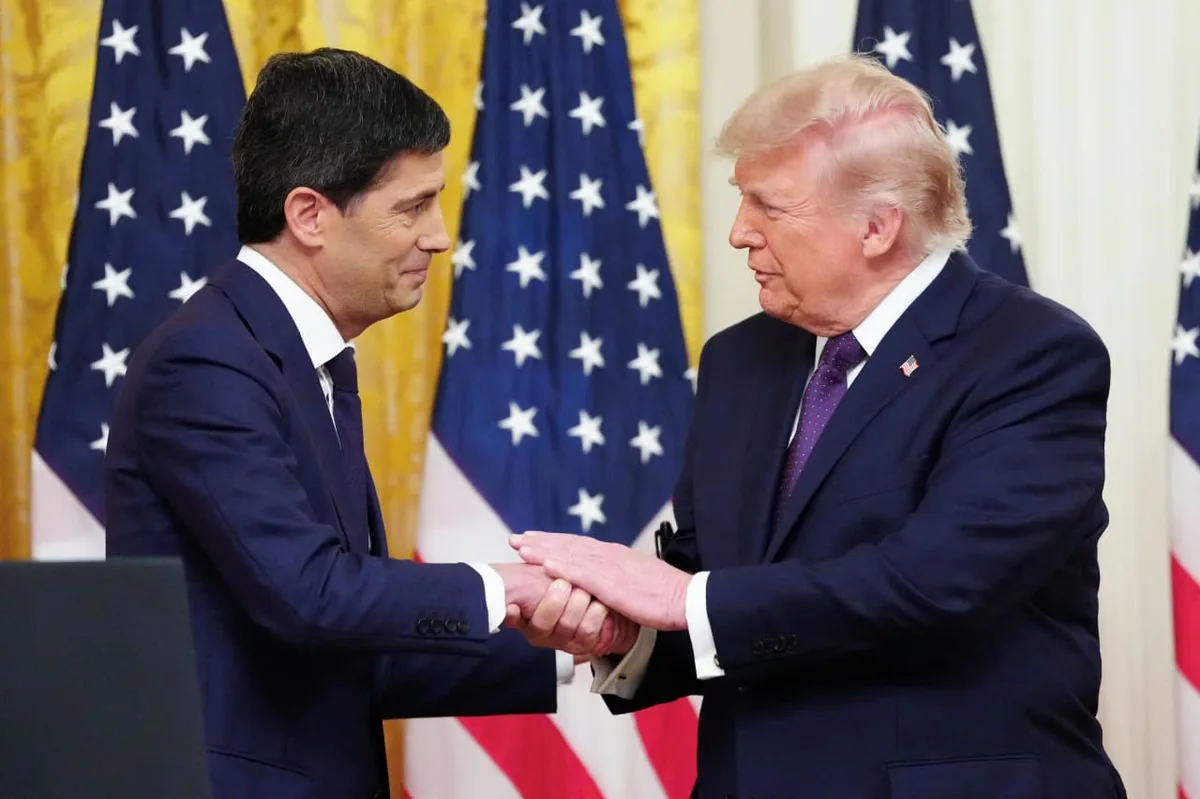
President Trump turned up the heat on the Federal Reserve again, calling the central bank "hostile" in a recent interview — and the comments are raising fresh questions about just how independent the Fed can stay when the White House keeps lobbing grenades at it.
Trump said Kevin Warsh — widely seen as a leading candidate to eventually chair the Fed — "has to do what he has to do" when it comes to interest rates. That's a notably hands-off line from a president who has never been shy about demanding cheaper borrowing costs, and some analysts read it as Trump giving Warsh a kind of implicit blessing to act independently, at least publicly.
Read more Russia's Digital Ruble Launch Set for September 1, Central Bank Says →
The sharper edge of the interview came when Trump reiterated his intention to remove Fed governor Lisa Cook from the board. Cook, appointed by President Biden, has been a consistent voice on the Fed's seven-member Board of Governors. Pushing her out would be a legally contested move — courts have historically protected Fed officials from politically motivated removal — so any attempt would almost certainly land in litigation fast.
For everyday consumers, all this political noise matters more than it might seem. The Fed sets the benchmark interest rate that ripples through your mortgage, car loan, credit card APR, and savings account yield. When the White House publicly feuds with the Fed, it can rattle financial markets and complicate the central bank's ability to manage inflation expectations without looking like it's caving to political pressure — or stubbornly defying it.
The tension between the executive branch and the Fed is nothing new historically, but the volume and specificity of Trump's recent comments puts the central bank's independence back in the spotlight in a serious way. Continue reading at MarketWatch.com