Treasury Backs GENIUS Act Rules for Stablecoins in the US
The U.S. Treasury Department has proposed stablecoin regulations tied to the GENIUS Act, signaling a major step toward federal crypto oversight.
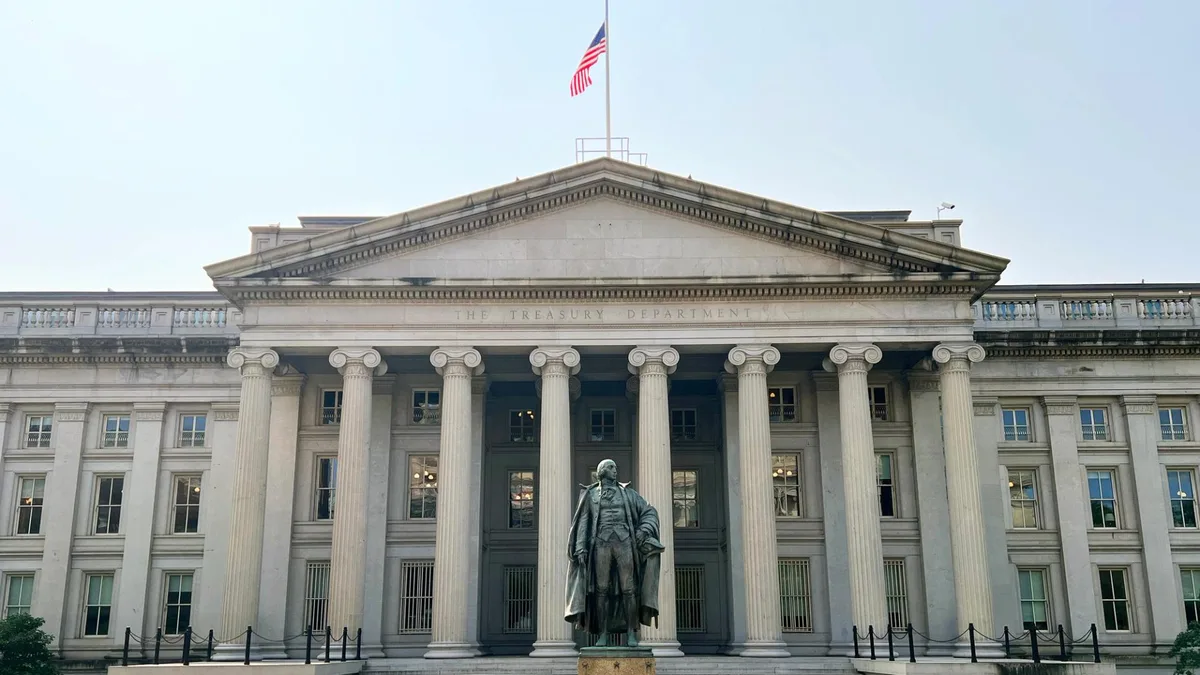
The U.S. Treasury Department is throwing its weight behind stablecoin regulation, proposing rules connected to the GENIUS Act — a piece of legislation that could reshape how dollar-pegged digital assets are governed in America. If you've been following the slow-motion chess match between Washington and the crypto industry, this is a pretty significant move on the board.
Stablecoins, for anyone who hasn't ventured too deep into crypto territory yet, are digital tokens designed to hold a steady value — usually pegged 1-to-1 to the U.S. dollar. Think of them as the bridge between traditional money and the wild world of crypto. Tether and USD Coin are two of the biggest names in this space, and they've been operating largely in a regulatory gray zone for years.
Read more DocGo Q2 2026 Revenue Drops to $73.4M as Migrant Programs Wind Down →
The GENIUS Act — short for Guiding and Establishing National Innovation for U.S. Stablecoins — has been working its way through Congress as lawmakers try to get ahead of the rapidly expanding stablecoin market. Treasury's proposal signals that the executive branch wants a seat at the table when the final rules get written, which isn't surprising given how much stablecoins have grown as financial tools both domestically and globally.
What this ultimately means for everyday users and businesses that rely on stablecoins for payments, transfers, or trading is still coming into focus. But the direction is clear: Washington wants guardrails, and they want them soon. Clearer rules could actually be good news for mainstream adoption, since institutional players tend to move in once the legal fog lifts.
Continue reading at CoinDesk