Software Stocks Rally as OpenAI Threat Loses Its Sting
ServiceNow, Salesforce, and peers surged as fears of OpenAI disrupting enterprise software began to fade.
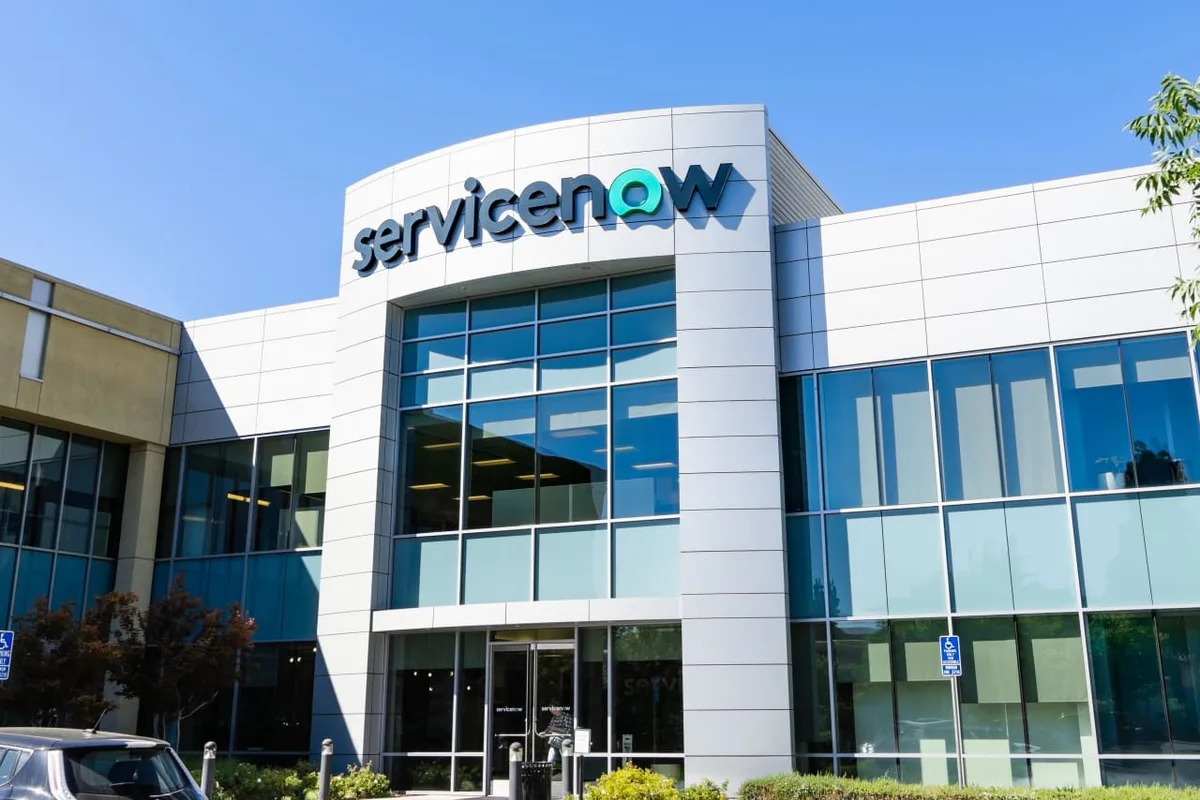
If you've been watching software stocks sweat it out over the past year, here's some welcome news: the sector finally caught a break. Shares of enterprise software giants like ServiceNow and Salesforce jumped as investors started feeling a lot better about the idea that OpenAI might not eat everyone's lunch after all. The so-called "OpenAI threat" — the worry that generative AI upstarts would bulldoze traditional software companies — appears to be cooling off, at least for now.
The rally swept through much of the software space, with traders rotating back into names they'd been avoiding while AI disruption fears ran hot. When the market starts questioning whether an existential threat is actually as existential as advertised, beaten-down stocks tend to bounce hard — and that's pretty much what played out here. For everyday investors, think of it like this: the neighborhood bully turned out to be less scary up close, and the kids came back outside to play.
Read more Strategy's June 30 Ex-Dividend Date: What Investors Should Know →
Not every software company got to join the party, though. Oracle notably sat out the rally, and the reason comes down to its cloud-infrastructure business being closely tied to OpenAI's own fortunes. Basically, Oracle has bet big on powering OpenAI's operations, so when sentiment around OpenAI softens, Oracle feels the chill more directly than its peers. It's a classic case of your biggest partnership also being your biggest risk factor.
The divergence between Oracle and the rest of the pack is a useful reminder that not all "AI-exposed" stocks are the same. Some companies benefit when AI hype cools — because it means they're less likely to be disrupted — while others need the hype machine running at full speed to justify their valuations. Knowing which camp your holdings fall into is increasingly the homework investors need to do in this market.
Continue reading at MarketWatch.com