Senate Path for Crypto Clarity Act Remains Uncertain
The Clarity Act is running out of time in the Senate with no clear route forward, leaving crypto rules in limbo.
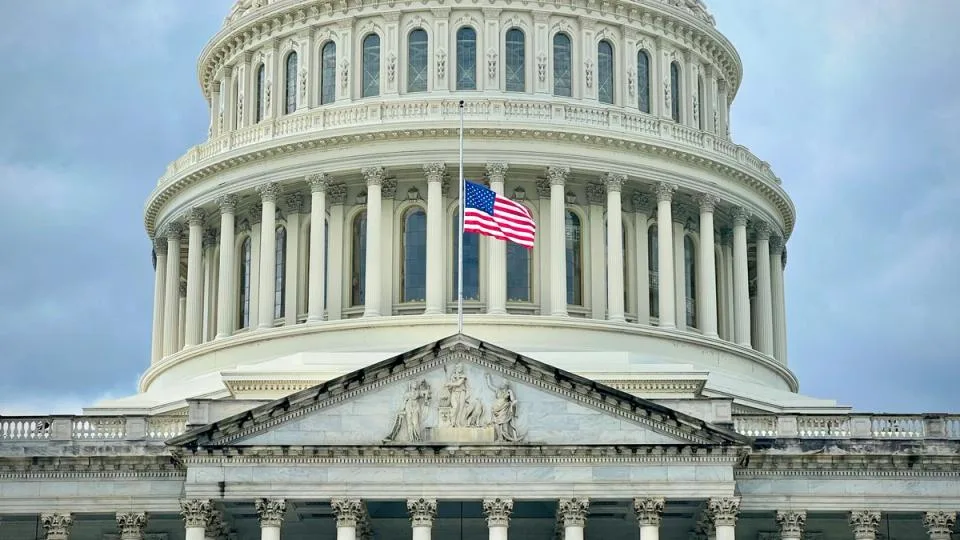
If you've been holding your breath waiting for the U.S. Senate to finally draw the lines between crypto securities and commodities, you might want to exhale. The Clarity Act — a bill designed to bring some much-needed regulatory order to the digital asset space — is winding down its legislative clock, and its road through the Senate looks anything but smooth.
The core idea behind the Clarity Act is straightforward: figure out once and for all whether a given crypto token should be regulated by the SEC or the CFTC. That turf war between the two agencies has been one of the biggest headaches for crypto companies trying to operate legally in the U.S. A clear framework would, in theory, give builders and investors a rulebook to actually follow.
Read more Why Tokenized SpaceX Shares Flopped Before Retail Could Buy →
But legislation rarely moves in theory. With the Senate calendar tightening and competing priorities crowding the floor schedule, the bill hasn't locked in the momentum it needs to advance. Getting a complex, technically detailed piece of financial legislation through a divided chamber is never a quick errand, and the Clarity Act appears to be learning that lesson the hard way.
For everyday crypto holders, the stall matters more than it might seem. Without a settled legal framework, exchanges and token issuers continue operating under a cloud of uncertainty — and that uncertainty tends to translate into caution, reduced innovation, and the occasional regulatory crackdown that rattles markets. Clarity, as the bill's very name suggests, is the point.
Whether lawmakers can push this across the finish line before the session runs out remains an open question. Continue reading at CoinDesk.