Oil Prices Swing as Hormuz Deal Hangs by a Thread
Conflicting reports about the Strait of Hormuz and U.S.-Iran tensions are sending oil prices on a wild ride.
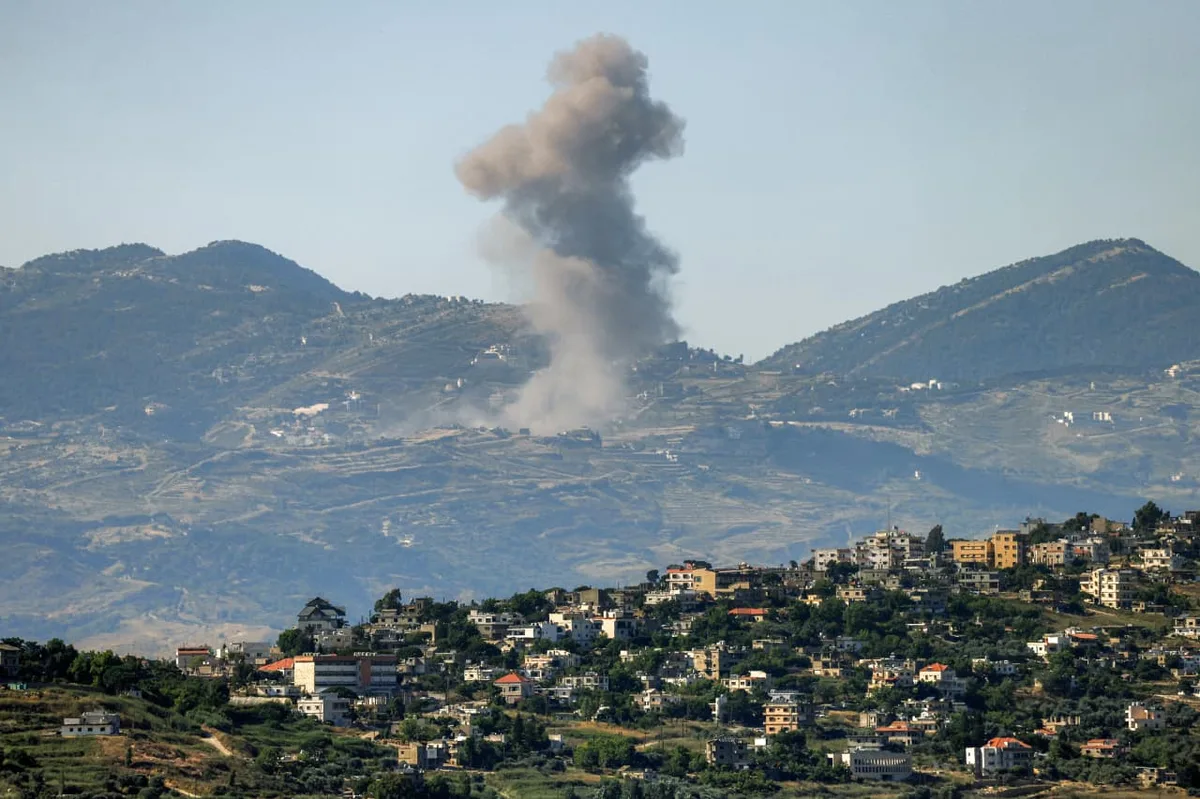
If you've been watching oil prices lately, Friday felt like a roller-coaster ride with no seatbelt. A rush of contradictory headlines about whether the Strait of Hormuz — one of the world's most critical oil shipping lanes — is actually reopening sent traders scrambling, and prices swinging in both directions.
The Strait of Hormuz is a big deal, and that's an understatement. Roughly 20% of the world's oil supply passes through this narrow waterway between Iran and Oman, so any disruption there hits fuel markets almost instantly. When reports surface suggesting it might be closed, or open, or somewhere in between, traders don't exactly sit calmly at their desks.
Read more Advanced Medical Solutions Group Draws New Form 8.3 Filing →
The chaos on Friday appears rooted in an increasingly shaky understanding between the United States and Iran. Conflicting signals from both sides left markets guessing whether a meaningful agreement was holding or quietly falling apart. That kind of uncertainty is basically rocket fuel for volatility — traders hate not knowing, and the confusion showed up directly in price swings.
What this means for you at the pump is harder to pin down in real time, but sustained instability in the region typically translates to higher gasoline prices down the road. For now, the situation is fluid enough that even seasoned energy analysts are watching each headline closely before making any bold calls on where crude is headed next.
Continue reading at MarketWatch.com