Nike Beat Earnings Estimates, But a Tariff Refund Did the Heavy Lifting
Nike topped Wall Street expectations last quarter, but a tariff refund quietly powered much of the profit and margin gains.
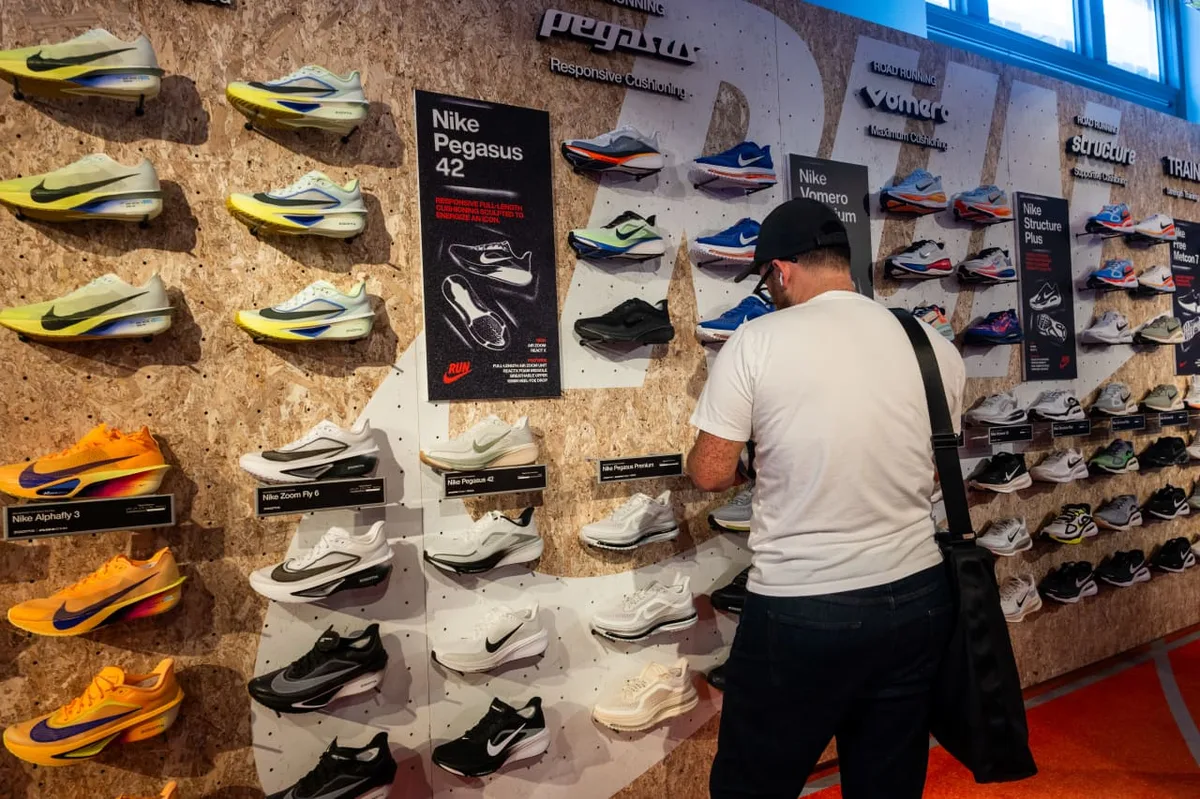
Nike had what looked like a pretty impressive earnings beat on paper — profits came in above what analysts were expecting, and gross margins held up better than feared. On the surface, that sounds like a company firing on all cylinders. But dig a little deeper and you find a less glamorous explanation for all that outperformance.
The real MVP of Nike's quarter wasn't a hot new sneaker line or a surge in athletic wear demand. It was a tariff refund. That's right — a government rebate on previously paid import duties gave Nike's bottom line and margins a meaningful lift. Without that one-time boost, the numbers would have told a noticeably different story for the sneaker giant.
Read more Visa and Mastercard Back New USD Stablecoin to Rival Tether and USDC →
This matters a lot if you're trying to figure out whether Nike is actually turning a corner. A tariff refund is the kind of thing that shows up once and then disappears — it doesn't tell you anything about whether demand is recovering, whether the brand is resonating with consumers again, or whether the company's cost structure is improving on its own merits. Analysts and investors who focus only on the headline beat risk missing that nuance entirely.
Nike has been navigating a tough stretch, dealing with inventory headaches, slowing sales in key markets, and a broader reset of its direct-to-consumer strategy. A one-time accounting tailwind can make a quarter look better than it really is, but it doesn't solve any of those underlying challenges. The company still has real work ahead to prove it can generate strong margins without help from external windfalls.
So the next time you see a big earnings headline, it's worth asking: where exactly did the money come from? In Nike's case, the answer is a little more complicated — and a lot less exciting — than the beat alone would suggest. Continue reading at MarketWatch.com