Kroger Follows Walmart Into Surge Pricing: What to Know
Kroger is adopting a dynamic pricing strategy similar to Walmart's. Here's what grocery shoppers should expect at checkout.
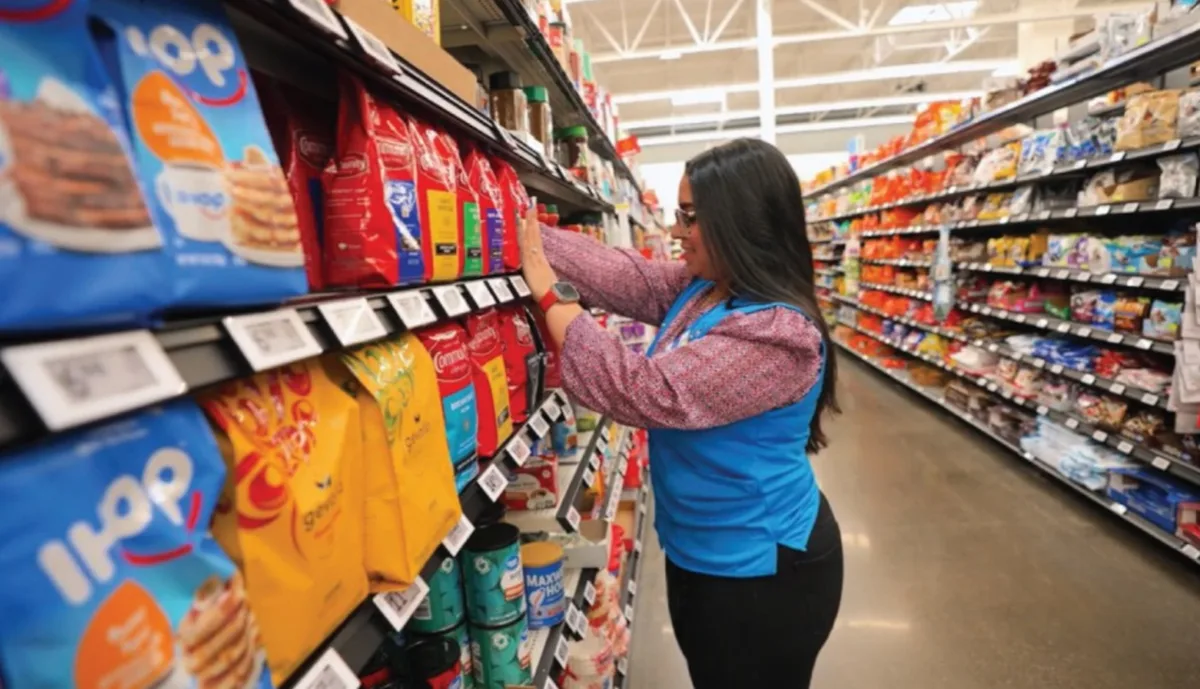
If you've ever felt like your grocery bill changes for no good reason, you might be onto something. Kroger is reportedly embracing a pricing practice that Walmart has already been using — one that lets retailers adjust prices based on demand, time of day, or other factors. Think of it like airline tickets, but for your cereal and eggs.
This kind of strategy, often called dynamic or surge pricing, has been a hot-button topic in retail. Walmart drew criticism when word spread that its approach could mean you pay more for the same item depending on when you shop. Now that Kroger — one of the largest traditional grocery chains in the country — is moving in the same direction, a lot more shoppers are going to feel the impact.
Read more How a $2M Portfolio Can Generate Six-Figure Income With No Rentals →
For everyday consumers, this is worth paying attention to. The practical takeaway is pretty simple: the price tag on the shelf might not match what you actually pay at checkout, or prices could shift between your weekly shopping trips without any obvious explanation. Loyalty apps and digital coupons could become even more important tools for locking in better deals before prices tick up.
Retailers argue that dynamic pricing can also work in shoppers' favor — prices can drop during slow periods or when inventory is high. But critics point out that lower-income households, who often have less flexibility about when or where they shop, tend to bear the brunt of price hikes under these systems. It's a fairness debate that isn't going away anytime soon.
Whether you're a Kroger regular or just keeping an eye on where grocery costs are heading, this shift is a signal that the supermarket experience is quietly getting more complicated. Continue reading at masslive.