Kalshi and Prediction Markets Face a Web of U.S. Legal Battles
Prediction market platforms including Kalshi are navigating a patchwork of legal challenges across the United States.
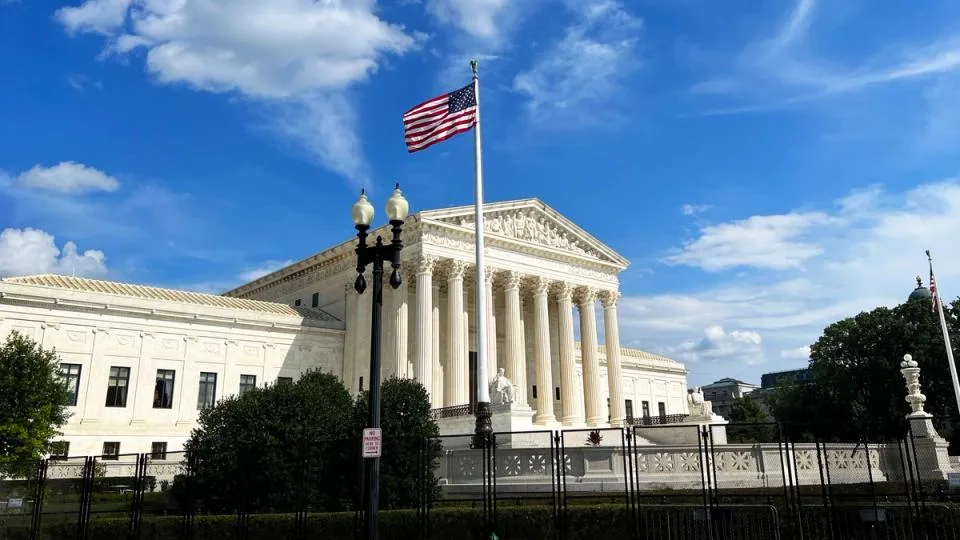
If you've been following the rise of prediction markets — those platforms where you can basically bet real money on whether a certain event will happen — you may have noticed things are getting legally complicated in the U.S. Kalshi, one of the most prominent players in the space, finds itself at the center of a messy mix of courtroom fights that could reshape how these platforms operate going forward.
Prediction markets sit in a uniquely awkward spot in American financial regulation. They're not quite traditional securities, not quite sports betting, and regulators haven't exactly figured out a clean box to put them in. That regulatory gray zone is precisely what's driving so much litigation — different courts, different agencies, and different state laws are all pulling in different directions at once.
Read more How Anthropic Is Boosting Google Cloud's Enterprise AI Push →
For everyday users, the stakes are real. If regulators succeed in restricting or shutting down these platforms, the contracts you can trade — everything from election outcomes to economic data releases — could disappear or become severely limited. On the flip side, if the platforms win in court, it could open the floodgates for a much broader prediction market industry in the U.S.
The situation is genuinely a mixed bag, as the legal outcomes vary by jurisdiction and by the specific type of contract being challenged. Some fights appear to be going in Kalshi's favor, while others remain unresolved or could cut against the industry. It's the kind of multi-front legal war that makes lawyers rich and everyone else a little dizzy trying to keep track.
What happens next will likely set precedent for the entire sector, making these cases worth watching closely whether you're a trader, an investor, or just someone curious about the future of real-money forecasting platforms. Continue reading at CoinDesk.