J.P. Morgan Expands Blockchain Network for Cross-Border Payments
J.P. Morgan is broadening its blockchain-based settlement network as banks race to modernize how money moves across borders.
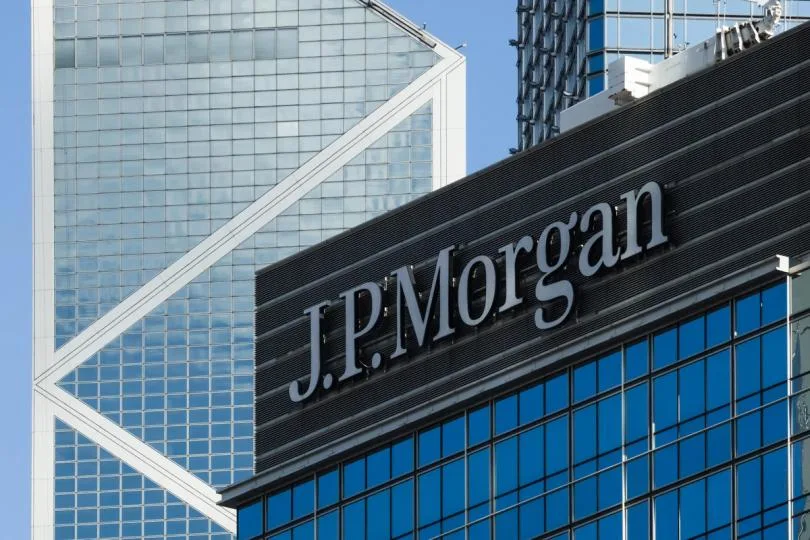
If you've ever sent money internationally and watched it disappear into a black hole for several business days, you're not alone — and J.P. Morgan is betting blockchain technology can fix that. The banking giant is expanding its blockchain-powered settlement network, a move aimed squarely at dragging cross-border payments into the modern era.
Traditional international wire transfers run on aging infrastructure that can be slow, expensive, and frustratingly opaque. Blockchain-based systems, by contrast, can settle transactions faster and with a clearer trail of where your money actually is at any given moment. J.P. Morgan has been building in this space for a while, and broadening the network signals the bank sees real momentum here — not just a tech experiment.
Read more Forager Lifts Buyout Bid for Repay Holdings to $5.25 a Share →
This kind of expansion matters because cross-border payments are a massive part of the global financial system, touching everything from multinational corporations paying overseas suppliers to everyday people sending remittances home. When big banks like J.P. Morgan commit more resources to blockchain settlement, it tends to nudge the rest of the industry to pay attention and potentially follow suit.
The broader context here is a growing recognition among traditional financial institutions that the old way of moving money between countries isn't cutting it anymore. Fintechs and crypto-native companies have been chipping away at the space for years, so legacy banks are increasingly motivated to modernize or risk losing ground. J.P. Morgan's latest move suggests the race to reimagine global payments is very much still on.
Continue reading at CoinDesk