Invesco Files to Launch Tokenized Fund for Stablecoin Reserves
Asset management giant Invesco is moving into the tokenized fund space, targeting the fast-growing stablecoin reserve market.
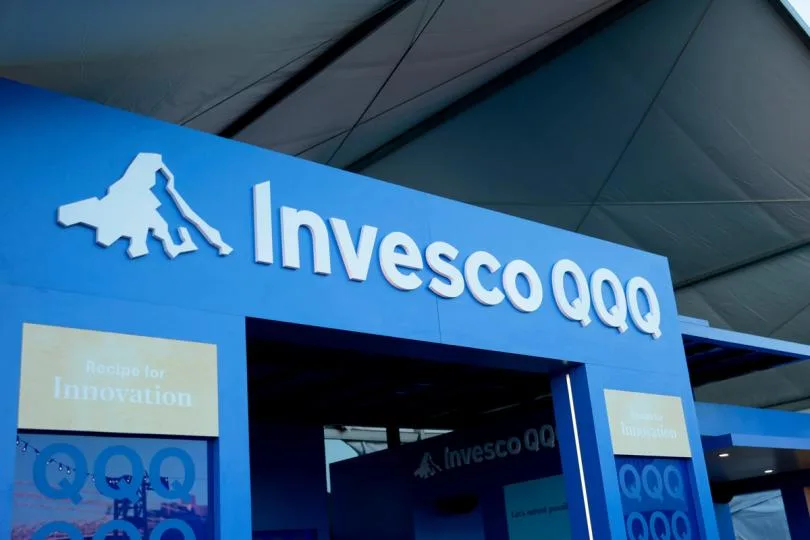
Invesco, one of the world's largest asset managers, has filed to launch a tokenized fund aimed squarely at the stablecoin reserve market — and if you've been watching the slow-but-steady march of traditional finance into crypto infrastructure, this is a pretty big deal. The firm is essentially raising its hand to become the kind of boring-but-reliable backstop that stablecoins need to stay, well, stable.
Stablecoins — the dollar-pegged digital tokens used everywhere from crypto trading to cross-border payments — need somewhere to park their reserves. That somewhere has historically been things like short-term U.S. Treasuries and money market instruments. Invesco's tokenized fund would position itself as exactly that kind of reserve-worthy vehicle, but wrapped in blockchain-native packaging that makes it easier for stablecoin issuers to plug in programmatically.
Read more SBI to Buy Bitbank for $289M, Forming Japan's Top Crypto Exchange →
This move signals that legacy asset managers aren't just dipping a toe into digital assets anymore — they're diving in with products designed to serve the crypto ecosystem directly. Tokenized funds are gaining serious momentum because they promise faster settlement, 24/7 accessibility, and programmable money flows that traditional funds simply can't offer. For Invesco, it's also a smart play to capture institutional demand before competitors do.
The stablecoin reserve market is enormous and still growing, driven by the explosive expansion of dollar-pegged tokens like USDT and USDC. Regulators are also increasingly pushing stablecoin issuers toward higher-quality, transparent reserve assets — which could make a product like Invesco's even more attractive as compliance pressures mount. Getting in early with a filed product means Invesco is positioning itself ahead of what could be a significant regulatory tailwind.
Continue reading at CoinDesk.