IMF Warns Tokenization Could Speed Up Finance—and Its Crises
The IMF sees tokenized finance as a double-edged sword: faster transactions, but faster-spreading shocks too.
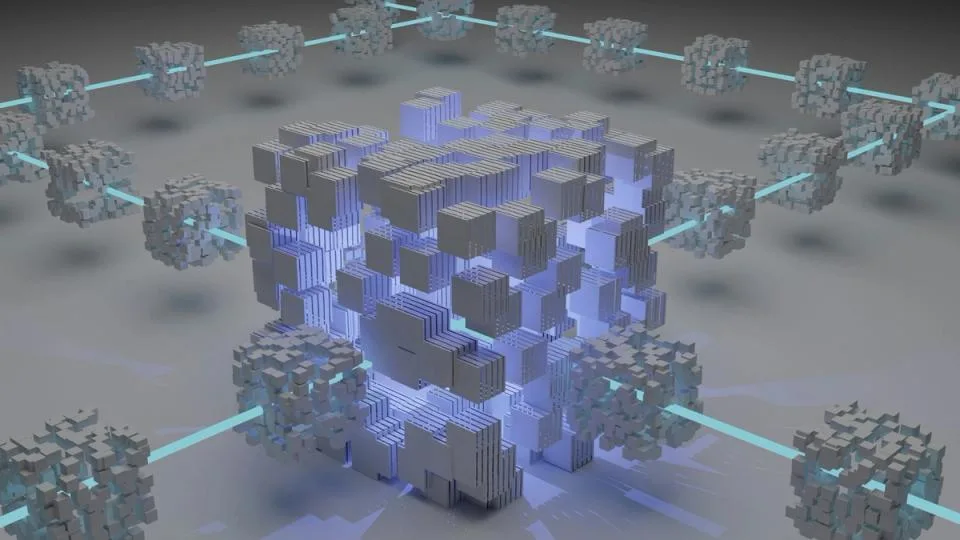
Tokenization — the process of turning real-world assets like bonds, stocks, or real estate into digital tokens on a blockchain — is one of the hottest trends in finance right now. The idea is that by putting these assets on-chain, you can trade them faster, cut out middlemen, and open markets to more participants. Sounds great, right? Well, the International Monetary Fund has some thoughts, and they're not all sunshine and rainbows.
According to the IMF, while tokenization could genuinely modernize the plumbing of the global financial system, it could also make that system more vulnerable to rapid, hard-to-contain shocks. Think of it like upgrading from a dirt road to a highway — traffic moves faster, but so do accidents. When things go wrong in a highly connected, automated token ecosystem, the trouble can spread across borders and institutions before anyone has a chance to hit the brakes.
Read more Zcash Ironwood Upgrade May Be Delayed Due to Readiness Gaps →
The concern isn't purely theoretical. Financial regulators have spent years trying to understand how interconnected markets amplify stress — remember 2008? Tokenization could recreate some of those tight linkages in new, less-understood ways. Smart contracts that automatically execute trades or liquidate collateral could accelerate downward spirals in ways that human-managed systems might slow down with a well-timed phone call.
For everyday investors and institutions eyeing tokenized assets, this is a useful reality check. The efficiency gains are real, but so is the need for robust oversight, smart regulation, and contingency planning. The IMF's message seems to be: don't let the speed of innovation outpace the guardrails designed to keep the whole system from going off a cliff.
Continue reading at CoinDesk