How Nancy Pelosi Outperformed the Market and Warren Buffett
Nancy Pelosi's investment returns have drawn attention for beating major benchmarks and even legendary investor Warren Buffett.
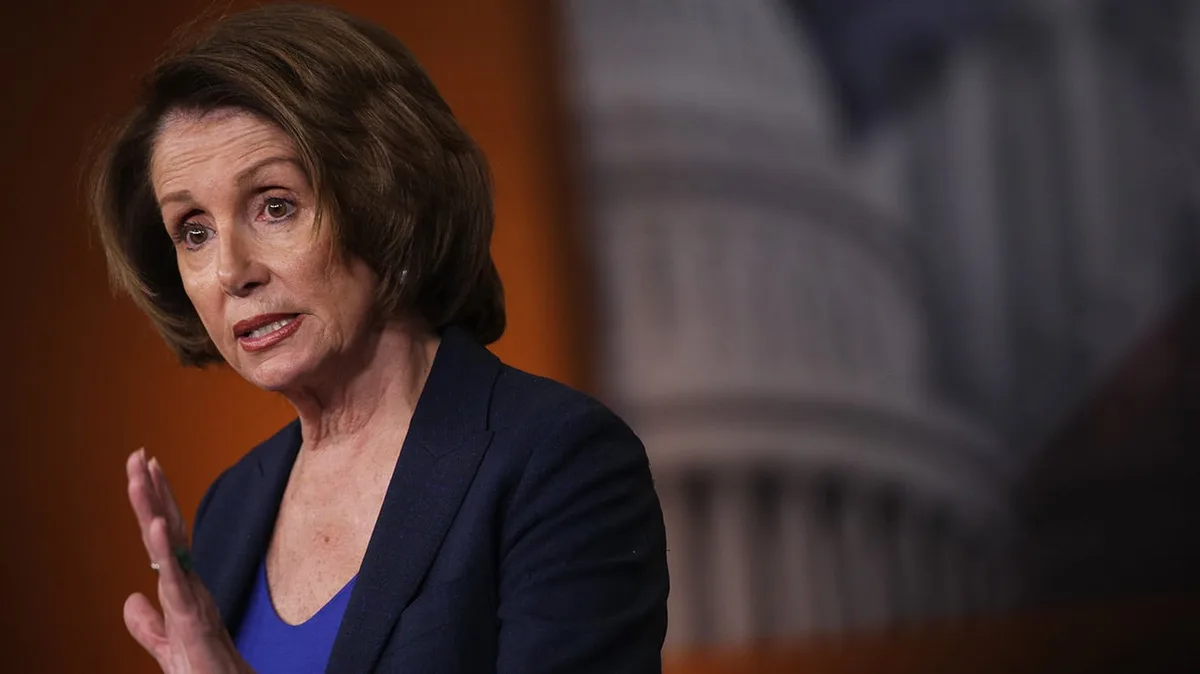
If you've spent any time on financial social media lately, you've probably heard someone joke about copying Nancy Pelosi's stock trades. As it turns out, that joke might have some real merit — reports suggest the former House Speaker's investment portfolio has managed to outperform both the broader stock market and Warren Buffett, one of the most celebrated investors in history.
Pelosi's returns have sparked a recurring debate about whether members of Congress have an unfair advantage when it comes to picking stocks. Critics argue that lawmakers are regularly exposed to non-public information about industries they regulate, giving them an edge that ordinary retail investors simply don't have. Supporters, on the other hand, contend that her success could reflect savvy decision-making or the guidance of skilled financial advisors.
Read more Robinhood's New L2 Chain Fuels Ethereum Optimism This Week →
Beating the S&P 500 consistently is something even most professional fund managers fail to do over the long run. Outpacing Buffett — whose Berkshire Hathaway has compounded wealth for decades — puts Pelosi's reported returns in even rarer company. Whether that performance is repeatable, lucky, or the product of structural advantages is a question worth asking.
The conversation around congressional stock trading has gained serious momentum in recent years, with bipartisan proposals like the STOCK Act and newer legislative pushes aimed at restricting or banning individual stock ownership by sitting lawmakers. Advocates for reform say that transparency alone isn't enough — that real accountability requires elected officials to use blind trusts or index funds instead.
For everyday investors, the Pelosi story is more than political fodder. It's a reminder of how tilted the information playing field can sometimes feel — and a prompt to think critically about the rules governing those who write the rules. Continue reading at Yahoo Finance.