How Bessent's Treasury Move Is Clipping the Fed's Wings
Treasury Secretary Scott Bessent's market intervention to cut borrowing costs is raising serious questions about Fed independence under Kevin Warsh.
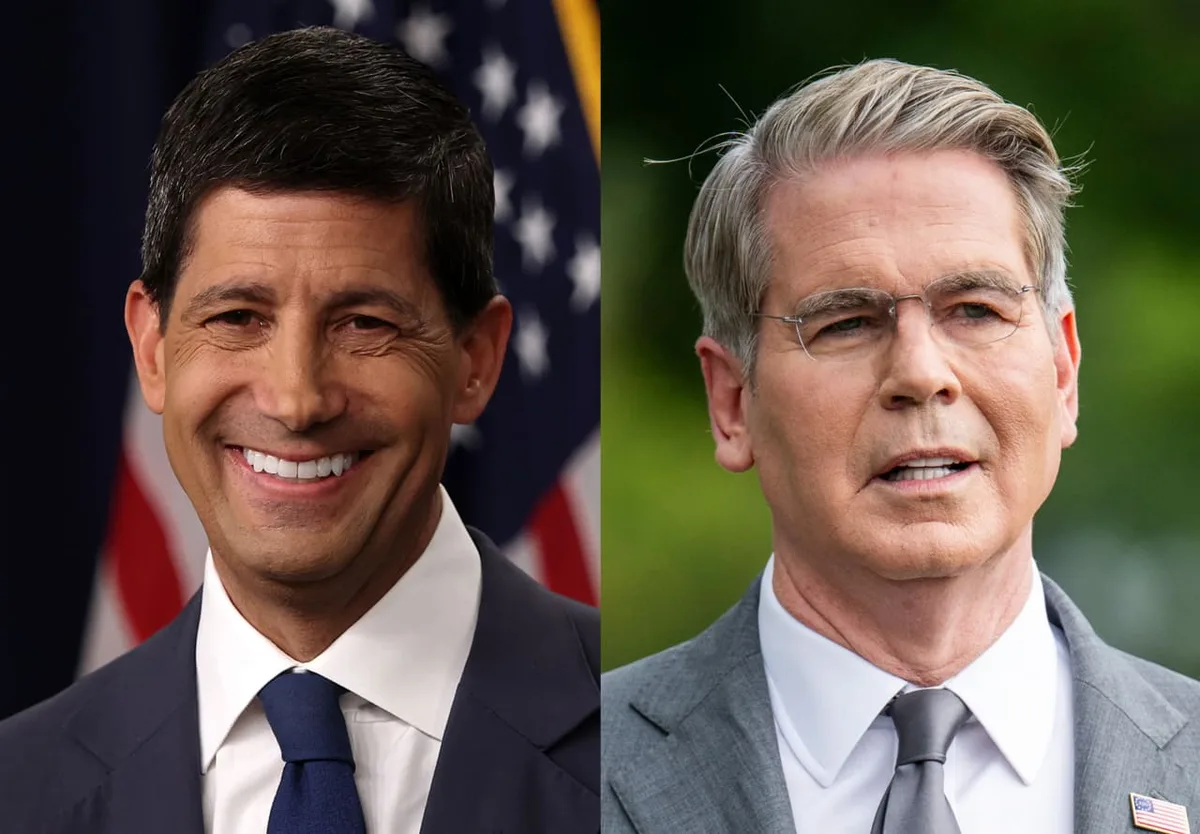
If you thought the drama between the White House and the Federal Reserve was already at peak levels, buckle up. Treasury Secretary Scott Bessent made a surprising move this week to step directly into Treasury markets with one clear goal: push down the cost of government debt. Sounds technical, but here's the plain-English version — the Treasury is essentially trying to do what the Federal Reserve normally does, and experts say that's a big deal.
The problem? That kind of intervention doesn't happen in a vacuum. When the Treasury starts pulling levers to influence borrowing costs, it muddies the water for the Fed, which is supposed to be the independent body setting interest-rate policy. Federal Reserve Chairman Kevin Warsh now finds himself in an awkward spot — trying to steer monetary policy while another arm of the government is nudging markets in its own direction.
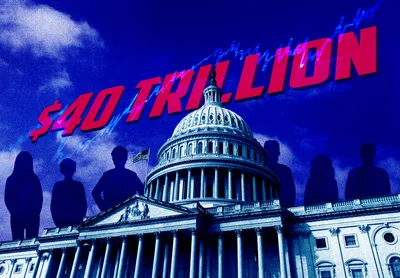
Read more National Debt Hits $40 Trillion: What It Means for You →
Experts quoted in the original reporting are pretty blunt about the fallout: Bessent's activist approach at the Treasury undercuts Warsh's credibility as a rate-setter. Central bank independence is one of those things markets take very seriously. The moment investors start wondering whether the Fed is truly calling its own shots, confidence in rate decisions can erode fast — and that uncertainty tends to ripple through everything from mortgage rates to stock valuations.
This is a genuinely unusual moment in U.S. economic policy. The Treasury and the Fed have historically kept their lanes relatively separate, with the Fed handling monetary policy and the Treasury focusing on fiscal matters like debt issuance. Blurring that line, even with good intentions around managing debt costs, sets a precedent that makes a lot of economists nervous. Whether Bessent's gambit actually lowers borrowing costs sustainably — or just creates new headaches — remains to be seen.
Continue reading at MarketWatch.com