Crypto Credit Market Tanks as Leverage Unwinds Sharply
A major selloff hit the digital credit market, with Strive's CEO pointing to forced liquidations of leveraged positions as the culprit.
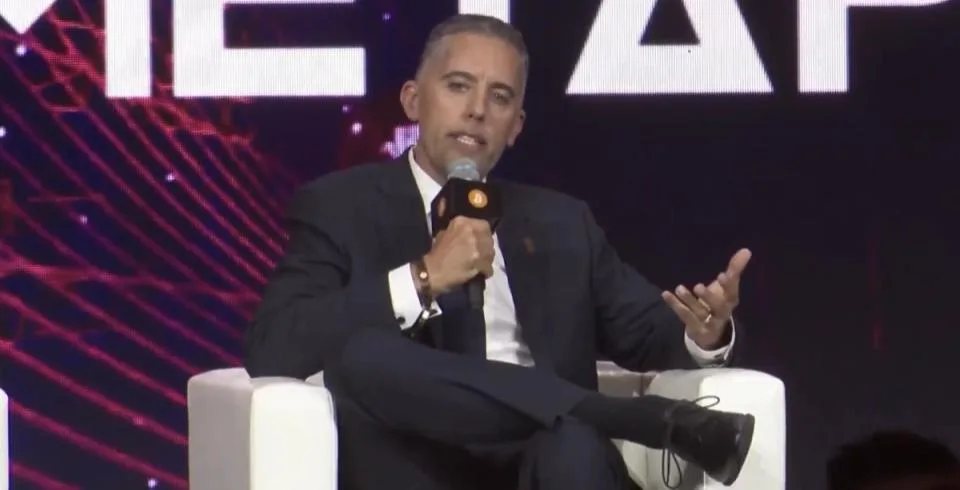
If you've been watching the crypto space lately, you already know things can go from calm to chaotic in a hurry — and the digital credit market just had one of those moments. A significant selloff swept through the sector, rattling investors and raising fresh questions about how much hidden leverage is still lurking beneath the surface of crypto lending and credit products.
Strive's CEO stepped forward with a pointed explanation: the carnage wasn't random. According to the executive, forced liquidations of leveraged positions were the primary driver behind the sharp downturn. In plain terms, when traders borrow money to amplify their bets and prices move against them, lenders automatically sell off collateral to cover losses — and that selling pressure can snowball fast, dragging prices down even further in a vicious cycle.
Read more Advanced Medical Solutions Group Draws New Form 8.3 Filing →
This kind of leverage-driven selloff is basically crypto's version of a margin call avalanche. One position goes bad, it triggers a liquidation, that liquidation pushes prices lower, which triggers another liquidation, and so on. It's the financial equivalent of dominoes, and it's a dynamic that has burned crypto markets more than once before.
What makes the digital credit market particularly vulnerable is that it operates with less transparency than traditional fixed-income markets. Investors don't always have a clear picture of how much leverage is stacked up across the ecosystem until something breaks — and by then, the damage is already underway. The Strive CEO's comments suggest that leverage buildup had quietly reached a point where even modest price moves could set off a chain reaction.
For everyday investors, this is a useful reminder that yield in crypto credit products rarely comes free — it usually comes bundled with risks that don't show up until market stress does. Continue reading at CoinDesk.