Crude Oil Prices Slip as Hormuz Strait Stays Open for Business
Oil prices dropped after supplies continued moving through the Strait of Hormuz, easing fears of a major supply disruption.
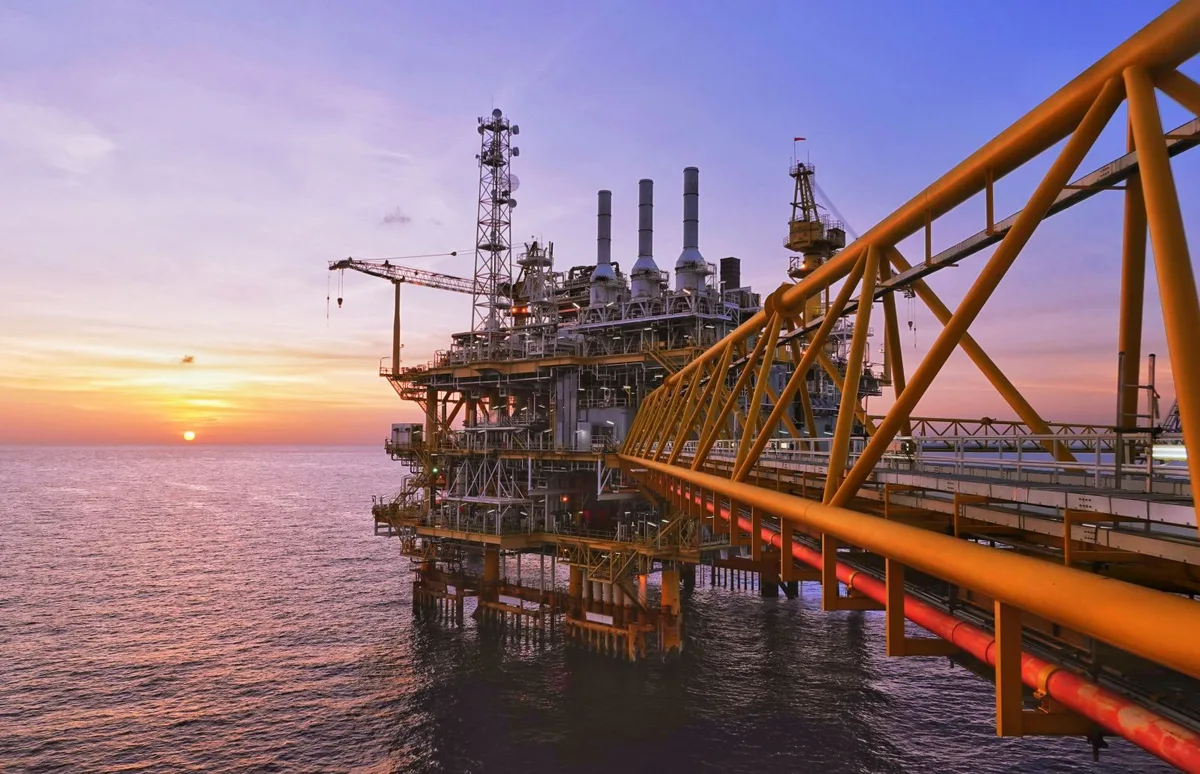
If you've been watching gas prices at the pump lately, here's some context: crude oil took a step back after the Strait of Hormuz — one of the world's most critical oil shipping chokepoints — remained open and operational for tanker traffic. When that narrow waterway between Iran and Oman flows freely, global oil markets tend to breathe a little easier, and traders priced that relief in pretty quickly.
The Strait of Hormuz isn't just a geography trivia answer — it's the passage through which a significant chunk of the world's seaborne oil travels every single day. Any hint of a blockage or military tension in the region tends to send crude prices spiking. So when supplies kept moving without major incident, the risk premium that traders had baked into prices started to come out, and oil slid lower as a result.
Read more Why Tokenized SpaceX Shares Flopped Before Retail Could Buy →
This kind of price movement is a good reminder of how geopolitics and commodity markets are basically joined at the hip. Crude oil isn't just priced on supply and demand fundamentals like a normal product — fear, uncertainty, and shipping lane drama all get factored in. When those threats cool down, even temporarily, you often see prices correct downward pretty fast.
For everyday consumers, falling crude prices are generally a good sign that pump prices could ease in the weeks ahead, though there's always a lag between what traders pay for a barrel and what you pay at the gas station. Keep an eye on whether calm in the Hormuz region holds — if geopolitical tensions flare back up, that downward pressure on oil could reverse just as quickly as it appeared.
Continue reading at barchart (rich asplund)