Could Oil Drop Below $50? OPEC's Grip May Be Slipping
Iraq is hinting at an OPEC exit, adding fresh uncertainty to an already shaky global oil market heading into 2026.
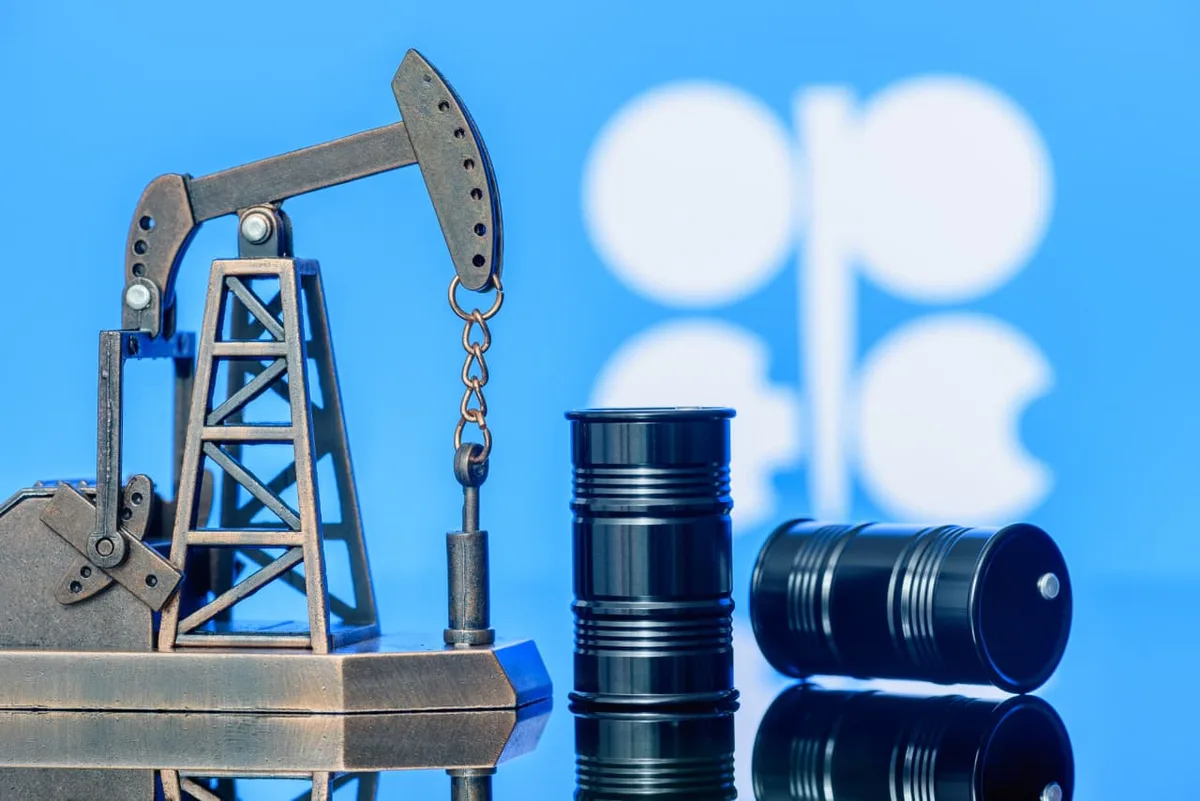
If you've been watching gas prices at the pump, here's something worth paying attention to: the global oil cartel that has quietly shaped energy costs for decades may be losing its hold — and that could send oil prices tumbling below $50 a barrel.
Iraq, one of OPEC's most significant members, has reportedly been dropping hints that it could walk away from the organization. That's a big deal. OPEC — the Organization of the Petroleum Exporting Countries — works by getting member nations to agree on how much oil to produce. Less supply generally means higher prices. When a major producer like Iraq starts eyeing the exit, the whole system starts to wobble.
Read more SBI to Buy Bitbank for $289M, Forming Japan's Top Crypto Exchange →
Think of OPEC like a group chat where everyone agrees to split the pizza order evenly. The moment one person starts ordering on their own, the whole arrangement falls apart. If Iraq bolts and pumps oil at full capacity without production caps, other members have every incentive to do the same, flooding the market with crude and pushing prices down sharply.
For everyday consumers, cheaper oil sounds like a win — lower gas prices, cheaper flights, reduced heating bills. But the ripple effects are more complicated. Oil-dependent economies could face serious fiscal stress, energy companies would see profits squeezed, and investment in new production (including renewables competing for capital) could shift in unpredictable ways. Analysts are already flagging 2026 as a potentially turbulent year for global energy markets.
Whether Iraq actually follows through remains to be seen, but the signal alone is enough to rattle traders and raise real questions about OPEC's long-term relevance. Continue reading at MarketWatch.com