Could Bitcoin Ever Become the World's Reserve Digital Currency?
Bitcoin's rise sparks debate about whether it could one day anchor the global financial system the way the US dollar does today.
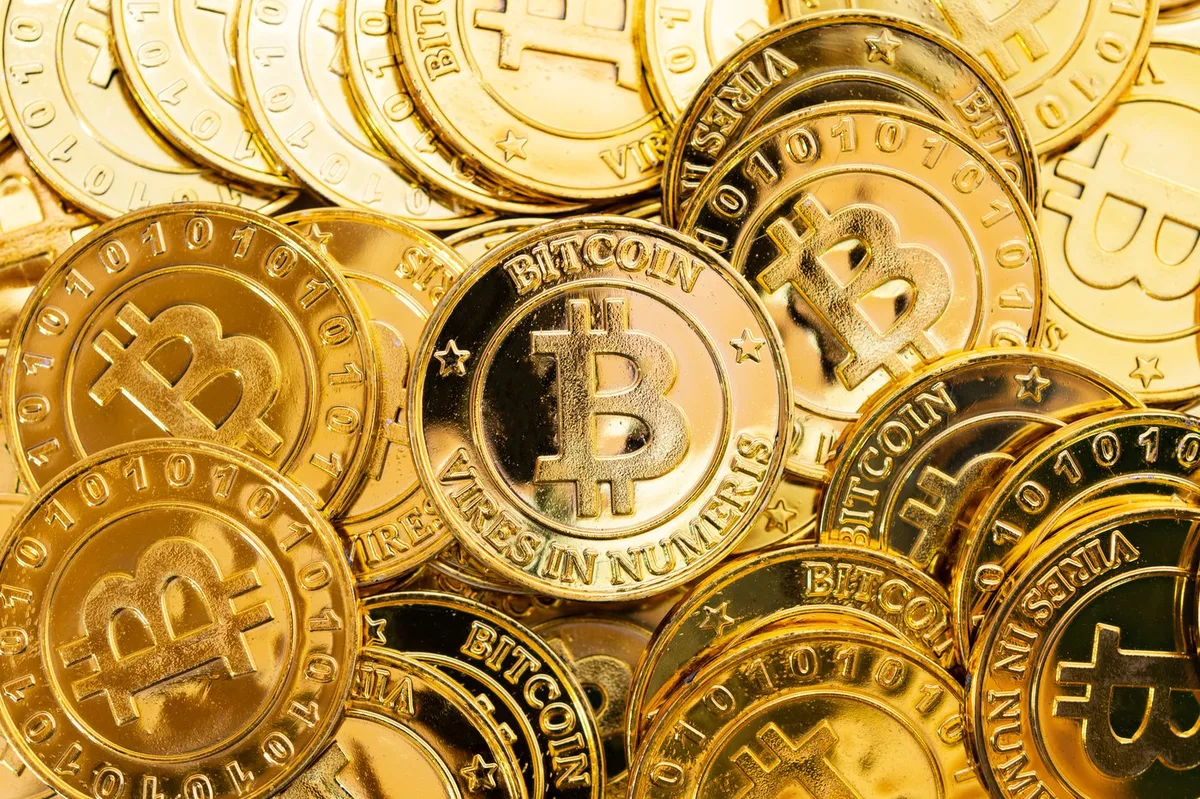
Here's a question that sounds like crypto-bro wishful thinking but is quietly getting more serious attention in financial circles: could Bitcoin someday serve as the world's reserve digital currency? It's a big idea, and unpacking it requires understanding what a reserve currency actually does — basically, it's the currency countries hold in bulk and use to settle international trade and debt. The US dollar has held that throne since World War II, backed by trust, liquidity, and American economic muscle.
Bitcoin's case for the role rests on a few compelling features. It's decentralized, meaning no single government controls it. Its supply is capped at 21 million coins, which fans say makes it immune to the kind of inflationary money-printing that erodes confidence in fiat currencies over time. And it operates 24/7 on a borderless network, which sounds pretty handy when you're trying to settle a trade deal between two countries that don't exactly trust each other's banks.
Read more Cerebras Expands to Finland With 165 MW Data Center Despite Losses →
But — and this is a big but — Bitcoin has some serious hurdles to clear before anything like that happens. Its price volatility is legendary; a reserve currency needs to be stable enough that countries can hold it without watching their savings swing 20% in a week. It also lacks the deep institutional infrastructure, legal frameworks, and lending markets that make the dollar so dominant. And then there's the energy consumption question, which makes plenty of governments squeamish.
That said, the conversation is no longer just happening on Reddit. Sovereign wealth funds, central banks, and even some governments have started exploring Bitcoin as a reserve *asset* — not quite a reserve *currency*, but a meaningful step in that direction. El Salvador famously made Bitcoin legal tender, and the idea of a multipolar financial world where no single currency dominates is gaining traction among economists who see cracks forming in dollar hegemony.
Whether Bitcoin gets there is genuinely uncertain, but dismissing the idea outright is getting harder to do with a straight face. Continue reading at Yahoo Finance.