Comcast-NBCU Spinoff: What History Says About Media Splits
Comcast plans to separate its cable business from NBCUniversal, but past media spinoffs show the payoff for investors is far from guaranteed.
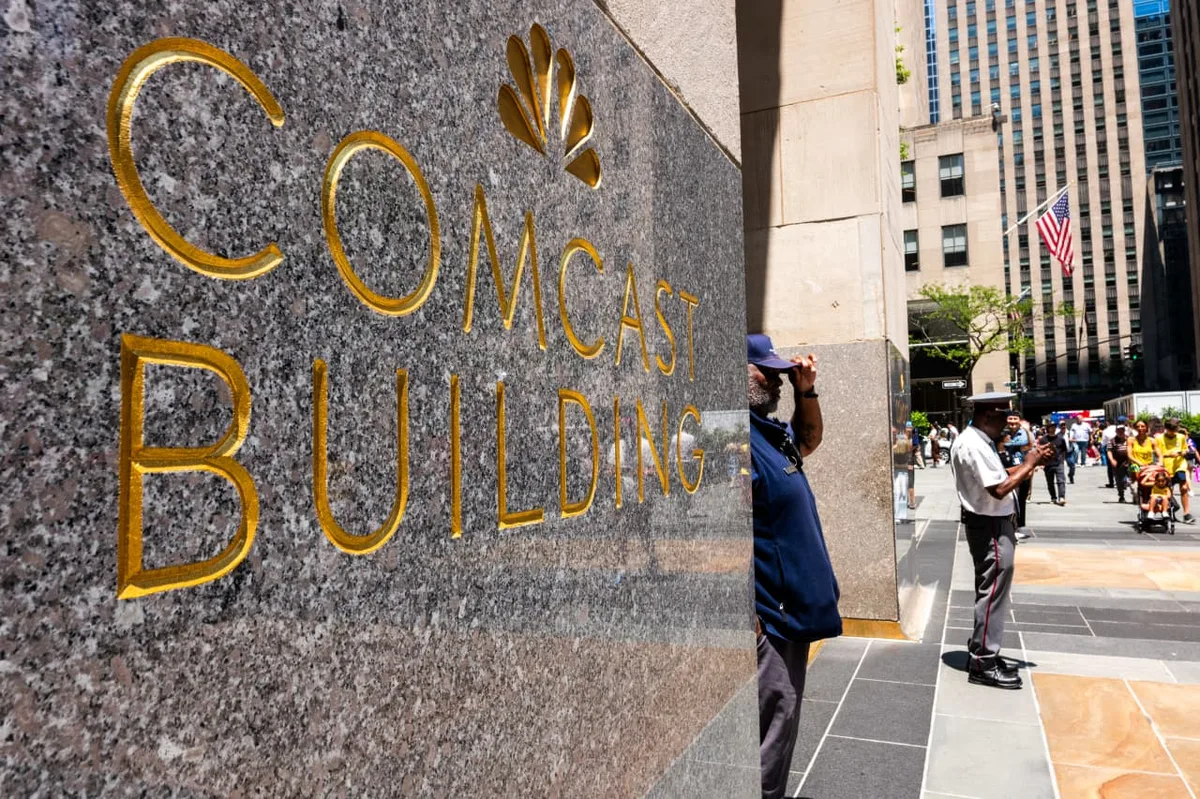
Comcast is making a big bet that breaking itself in two is the best move for shareholders. The plan is to separate its core cable and broadband operation from the NBCUniversal entertainment empire — the idea being that each business, standing on its own, is worth more than when they're lumped together. That's a classic spinoff pitch, and it sounds great on paper.
The problem? History doesn't exactly give this strategy a standing ovation. Media spinoffs have produced wildly uneven results over the years. Some newly independent companies find their footing and thrive once they're free from a larger parent's priorities and overhead. Others struggle without the financial cushion and strategic support that came with being part of a bigger organization. There's no simple rule that says spinoffs win or lose — it really depends on the assets, the leadership, and the market timing.
Read more Visa and Mastercard Back New USD Stablecoin to Rival Tether and USDC →
For Comcast specifically, the split puts the spotlight on some real tensions. The cable and broadband side is a steady, cash-generating machine, but it faces long-term headwinds from cord-cutting and broadband competition. NBCUniversal, on the other hand, carries the weight of traditional TV networks, the Peacock streaming service, and a film studio — all sectors that are navigating serious disruption right now. Whether either half can outperform as a standalone is the question every investor should be sitting with.
If you're holding Comcast shares or thinking about getting in, the spinoff narrative is worth watching carefully. Unlocking value is the goal, but the execution — how the debt gets divided, who leads each company, and what the capital structure looks like — will ultimately determine whether this bet pays off. Keep your eyes on the details as they emerge, because that's where the real story lives.
Continue reading at MarketWatch.com