Cerebras Drops 11% After Debut Earnings as Public Company
AI chipmaker Cerebras stumbled out of the gate, falling 11% following its first earnings report as a publicly traded company.
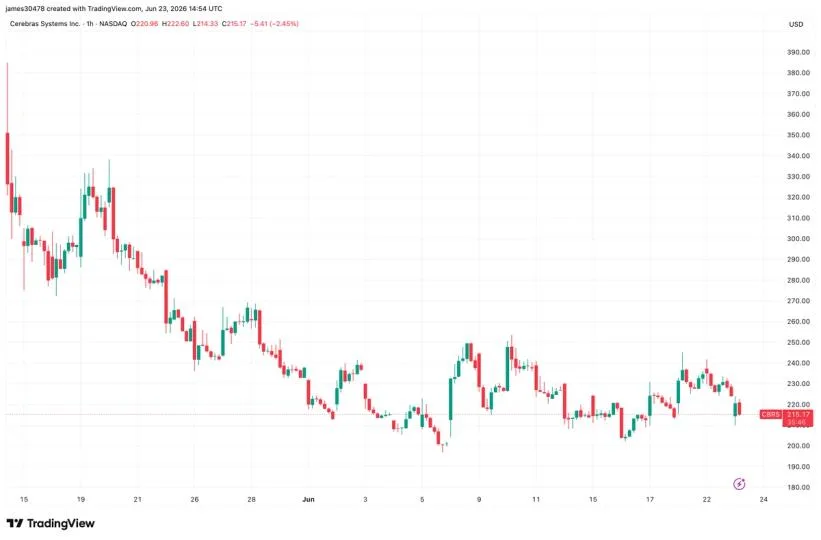
Going public is one thing — surviving your first earnings report as a public company is another beast entirely. Cerebras, the AI chip startup that makes processors designed to rival Nvidia's dominance in machine learning hardware, learned that lesson the hard way when its stock dropped roughly 11% after releasing its inaugural quarterly results to Wall Street.
Earnings season has a way of humbling even the hottest names in tech. Investors who piled into Cerebras on the promise of next-generation AI infrastructure suddenly had cold, hard numbers to weigh against the hype. When those numbers landed, the market's verdict was swift and unforgiving — a double-digit sell-off that wiped out a meaningful chunk of market value in short order.
Read more Why Tokenized SpaceX Shares Flopped Before Retail Could Buy →
Cerebras occupies an interesting but competitive corner of the AI hardware space. Unlike Nvidia, which sells graphics processing units adapted for AI workloads, Cerebras built its identity around wafer-scale chips — essentially enormous processors designed from scratch for deep learning. The company has attracted attention from researchers and cloud customers eager for alternatives to Nvidia's grip on the market, but translating that buzz into the kind of revenue growth public-market investors expect is an ongoing challenge.
For everyday investors, the post-IPO earnings drop is a classic reminder that buying into a newly public company carries real risk. The first few quarters after a company lists are when the rubber meets the road — management has to prove that the story they sold during the IPO roadshow actually matches financial reality. Wall Street is not known for its patience when there's a gap between the two.
Whether Cerebras can regain its footing will depend largely on how quickly AI infrastructure spending translates into signed contracts and growing revenue. Continue reading at CoinDesk.