Big Tech's AI Split: Why Alphabet and Microsoft Beat Chasing OpenAI
Tech giants are dividing into two AI camps, and savvy investors may fare better sticking with established players than hunting the next hot startup.
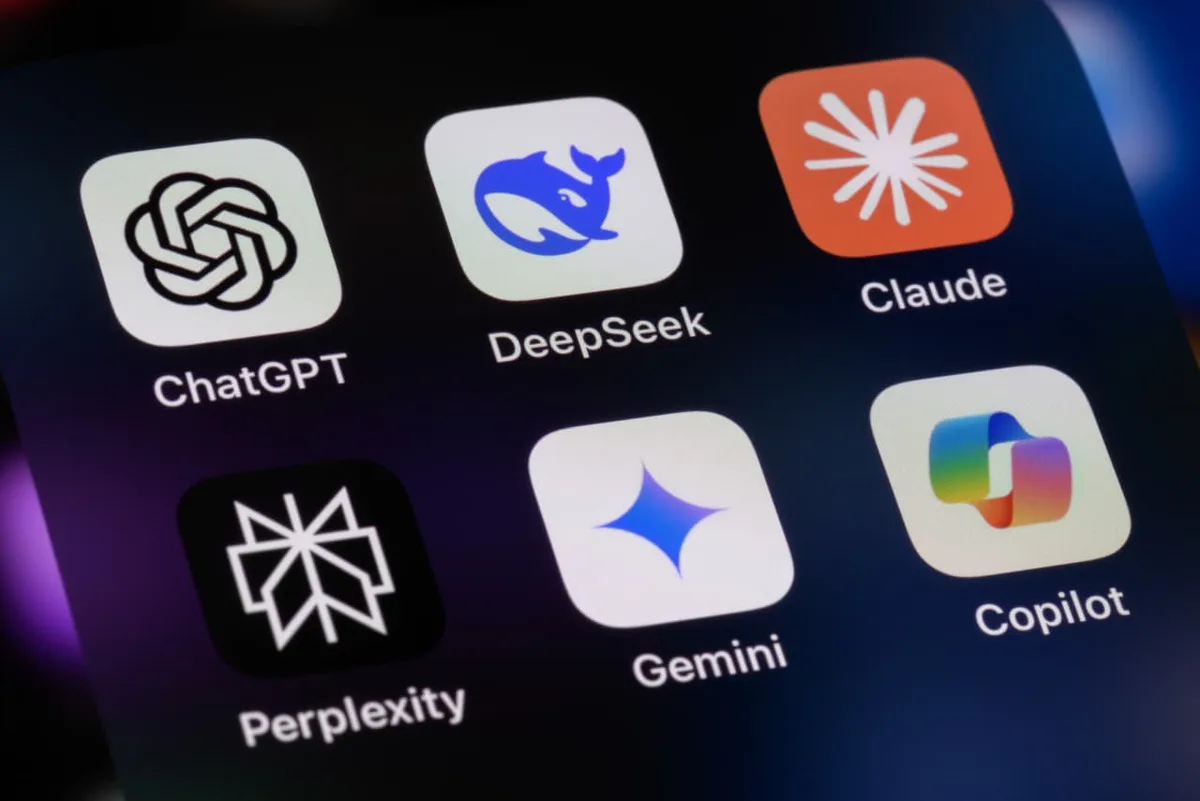
If you've been watching the AI race and wondering where to put your money, here's a take that might surprise you: the smart play probably isn't hunting down the next OpenAI. Big Tech has quietly split into two distinct camps when it comes to artificial intelligence strategy, and knowing the difference could save your portfolio a lot of heartburn.
On one side, you've got the pure-play AI disruptors — startups and younger companies swinging for the fences, trying to build the next foundational model or killer AI application. Exciting? Absolutely. Risky? You bet. These are the kinds of bets that can 10x your money or go to zero, sometimes within the same earnings cycle.
Read more Bitcoin Climbs to $65.5K as Iran Deal Pushes Oil to 16-Week Low →
On the other side sit the giants — companies like Alphabet (Google's parent) and Microsoft — who are methodically weaving AI into products that already have billions of users and decades of enterprise relationships behind them. They're not trying to *become* AI companies so much as they're turbocharging what they already do well. Think Copilot baked into Microsoft Office, or Google's Gemini models powering Search and Cloud. That's a very different risk profile than a startup burning cash to find product-market fit.
The analogy that holds up pretty well here is the Gold Rush: the people who reliably made money weren't always the miners chasing the next big vein — they were the ones selling the picks and shovels. Alphabet and Microsoft are, in a very real sense, selling the infrastructure and tools that the entire AI economy runs on. That gives them durable revenue streams that don't depend on any single AI breakthrough landing perfectly.
Of course, none of this means the disruptors are worthless bets — just that the risk-reward math looks very different depending on your investing style and timeline. For most everyday investors, the boring-but-battle-tested route through established Tech giants offers a way to participate in AI's upside without betting the house on which startup survives the shakeout. Continue reading at MarketWatch.com